
Internet Public Offering
Lessons From The IPOs of The Dotcom Bubble

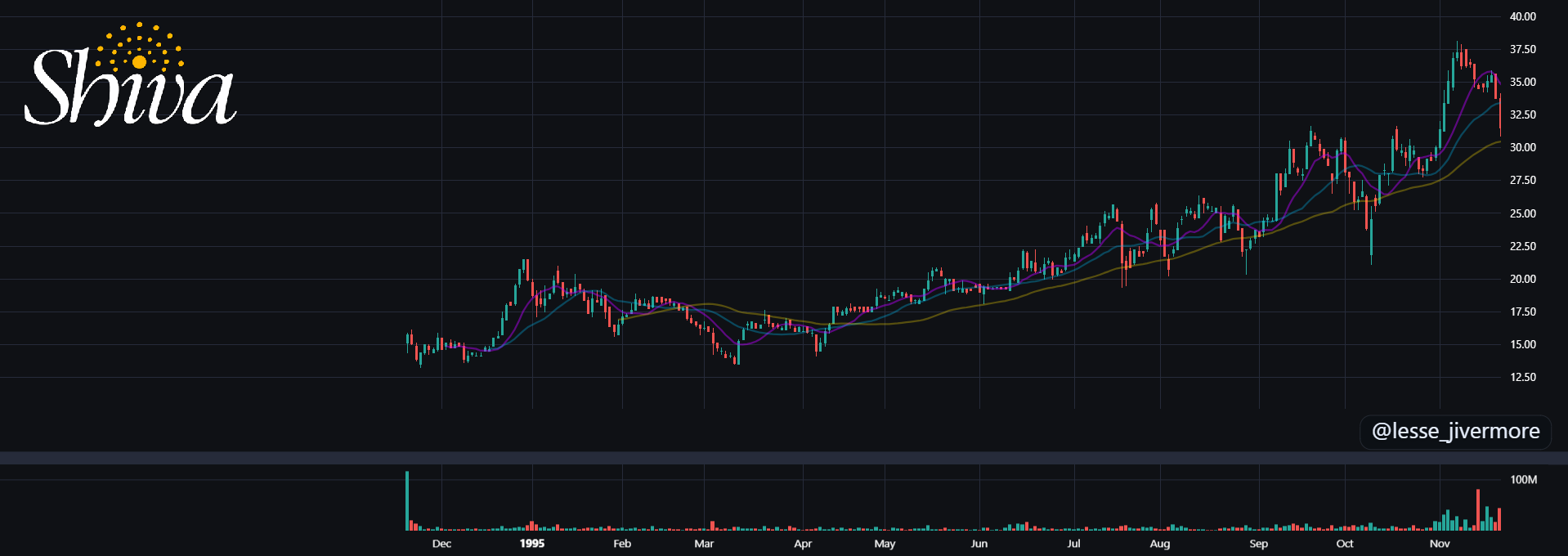
On the morning of November 18, 1994, executives of Shiva Corp. make their way through the morning fog and light rain, heading to the headquarters of Goldman Sachs in the beating heart of global capitalism in New York. Shiva’s founders, Daniel Schwinn and Frank Slaughter, as well as their CEO, Frank Ingari, shuffle inside the building at 85 Broad Street alongside analysts and investment bankers. As they enter the elevator on their way to the offices of their underwriters, their stomachs churn and sweat begins to drip from their faces.
The elevator doors open after what feels like an eternity and they exit to join a group of investment bankers who, in contrast to the uneasy anxiety felt by the Shiva men, erupt in cheers as the executives enter the room. They appear more ready for a New Year’s party than a day of work at an esteemed investment bank. Nevertheless, the Shiva executives each grab a glass of champagne and join the group of Goldman employees.
The men, all smiling and laughing, begin to celebrate this momentous day for Shiva Corp. Five years after incorporating, and after growing sales 41% in 1994 and increasing net income tenfold, the maker of hardware and software that allowed computers to connect directly into a corporate network remotely was scheduled to go public in a matter of minutes. 1994 was a down year for IPOs compared to the offerings listed in 1993. So, no one is sure what kind of first day Shiva will have after opening.
The road show to sell shares in the company went so well that Goldman increased the offer price from $12 to $15 and sold an additional 360,000 shares. The shares ended up oversubscribed by 30X, meaning that for every share sold there was demand for 30 more. Everyone was optimistic about the potential on the first day of trading.
As time got closer to the first opening trade in the newly-listed stock, the nervous executives looked on, sipping their champagne. The night before they had all met for dinner and placed bets on the opening and closing prices. None of them would come close to the actual numbers.
As the stock was about to make its debut everyone was shocked as the indicated opening price kept climbing higher and higher. Finally, the opening bid was accepted. The price? $30.50, more than double its $15 IPO price. The room erupted into a cacophonous celebration as SHVA became the best IPO of the year and one of the very few IPOs in history to open 100% above the set IPO price.
While the underwriters and company executives celebrated the accomplishment, SHVA and the memory of its blockbuster IPO would soon fade into obscurity. In the coming months and years all IPO records would be obliterated over and over and over again by a seemingly never-ending wave of new internet and tech issues. The investment banks would throw these IPOs to the public like chunks of raw meat to the wolves in a futile effort to satisfy their insatiable appetite for any speculative vehicle in which to sink their funds into regardless of the quality.
Shiva was one of the first few IPOs to come to the market before the real internet-driven hype machine set off the bull market that would erupt into the euphoric sugar high of the dotcom bubble in 1998 and implode in epic fashion two years later—the most spectacular trading and investing period in the long history of Wall Street.
Setting The Stage
Stock market bubbles require much more than hype alone to fuel them for as long as it takes to reach the ultimate climactic fever pitch. Once the market develops a genuine thirst for companies in a hot new industry, a virtuous cycle becomes almost inevitable. High demand inflates valuations, inflated valuations attract more capital, more capital accelerates development and growth, and that growth justifies the high valuations, which attracts still more capital. High valuations stop merely reflecting fundamentals and begin creating them. This is the moment a bull market crosses the threshold into a bubble.
IPOs are the fuel that keeps that cycle running. They renew and reset the speculative appetite of the hungry wolves on Wall Street, refreshing the supply of unanchored, narrative-rich securities the market needs to sustain the frenzy. The rush to get in early on the few internet companies in the market leads to inflated valuations. Inflated valuation leads to more VC-backed internet startups looking to IPO.
The dotcom boom of the 1990s wasn’t just about a revolutionary technology. It was also about the insatiable demand for anything remotely related to the internet. As the bull market unfolded, investors’ desire for internet stocks only grew stronger and stronger until the music stopped.
After basing out for one year, the Nasdaq finally broke out into what would become a ferocious bull market in early February 1995. The internet had been a background feature of the market for the prior few years, but this would be the year that it took center stage by force, commanding the market’s undivided attention for just over the next five years.
While already established leaders in the computer-related groups like IBM, MSFT, CSCO, and INTC led the market higher, a new class of stocks would start to sprout in the spring of 1995.
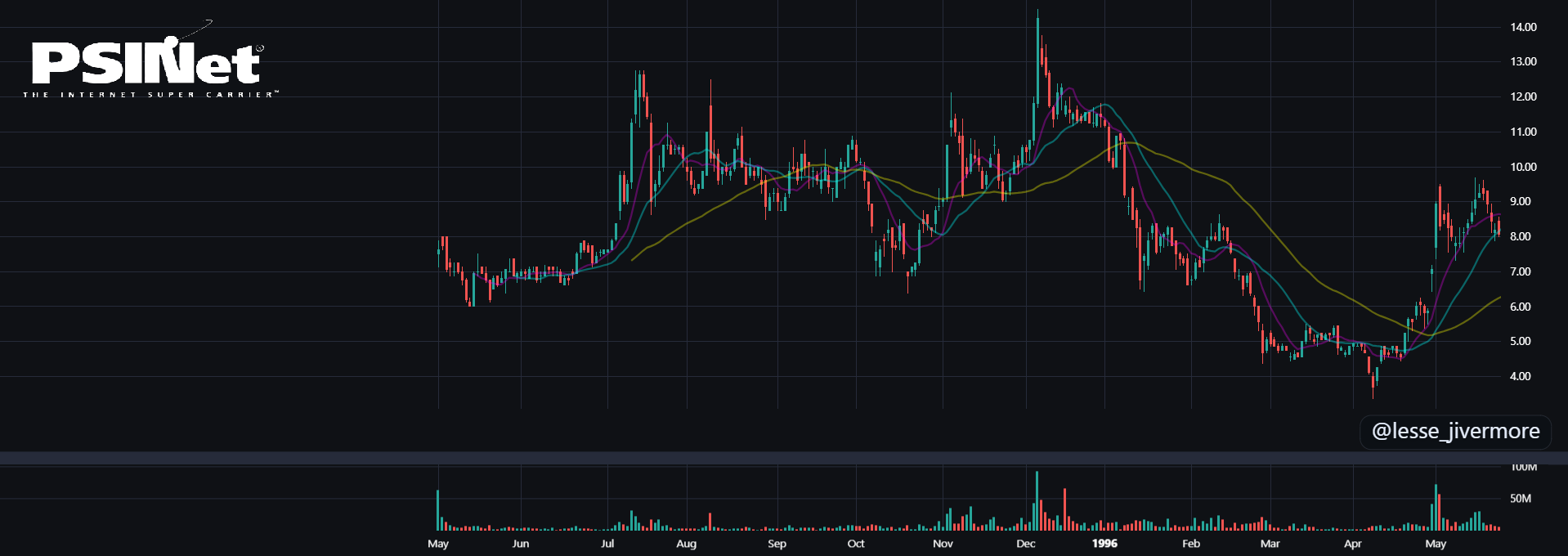
On May 2, 1995, PSINet became one of the first true internet IPOs in the market and the very first internet service provider (ISP) to go public. Although it was among the first internet IPOs, it wasn’t highly-anticipated or game-changing issue.
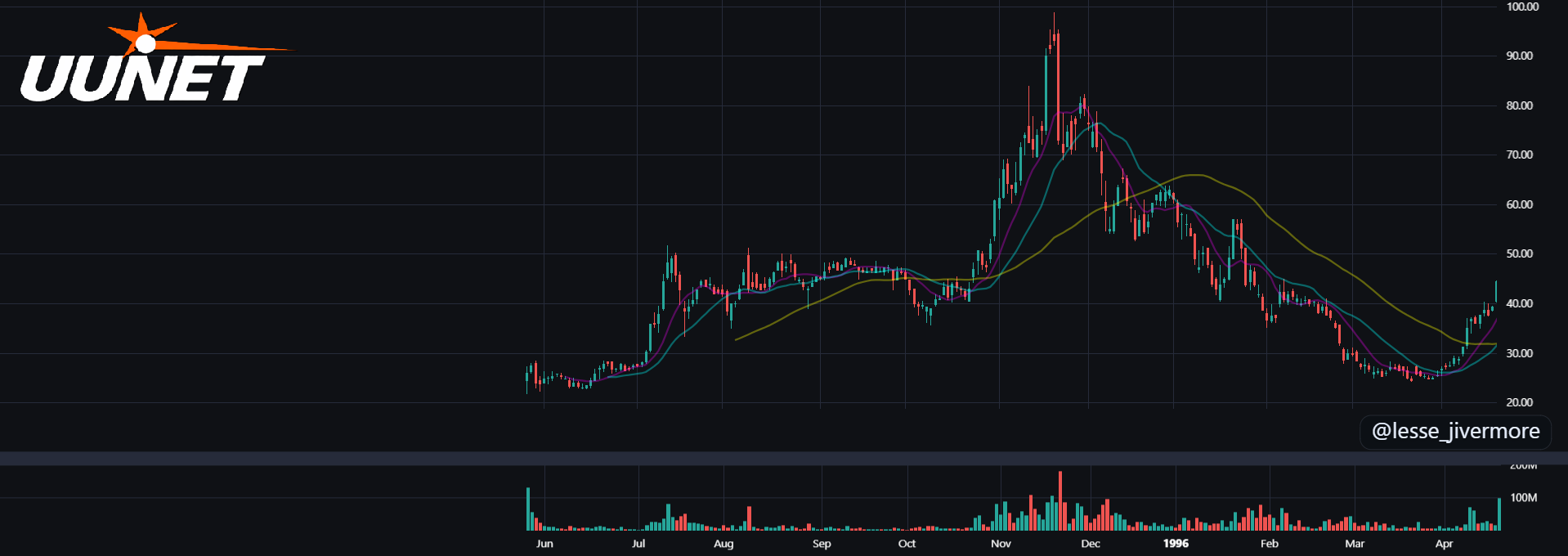
Later that month, UUNET (UUNT), another ISP, went public. This time it was much more of an interest to the market. It was the fastest growing ISP at the time and partly-owned by MSFT. UUNT closed 96% above the IPO price on its first day of trading and was much more liquid than PSINet. It also notably had no earnings at the time it went public—something that would become much more common throughout the rest of the decade.
According to a NYT article just days after UUNT’s IPO, its total revenues in the five years since its founding amounted to $40M while the money raised by the IPO was $68M, giving it a $900M valuation. UUNT had a deal with MSFT to help them integrate the upcoming Windows 95 with the internet. Both the internet and the anticipation of Windows 95 were hot at the time. The article says about the IPO, “the enthusiasm is intense.”
That enthusiasm for internet stocks had been steadily growing since about 1993. That’s when the Mosaic browser was launched, CERN made the World Wide Web protocols royalty free, and usage exploded. This moment in 1995 was the culmination of the last two years of growth and development in the internet.
One month after the UUNT IPO, Spyglass (SPYG) went public. SPYG was an internet software company that licensed the original Mosaic web browser from the University of Illinois. MSFT licensed SPYG’s web browser for the foundation of their internet explorer. Unlike many of the internet IPOs that would follow, SPYG was at least profitable, making just over $600,000 in the six months ended March 31, 1995.
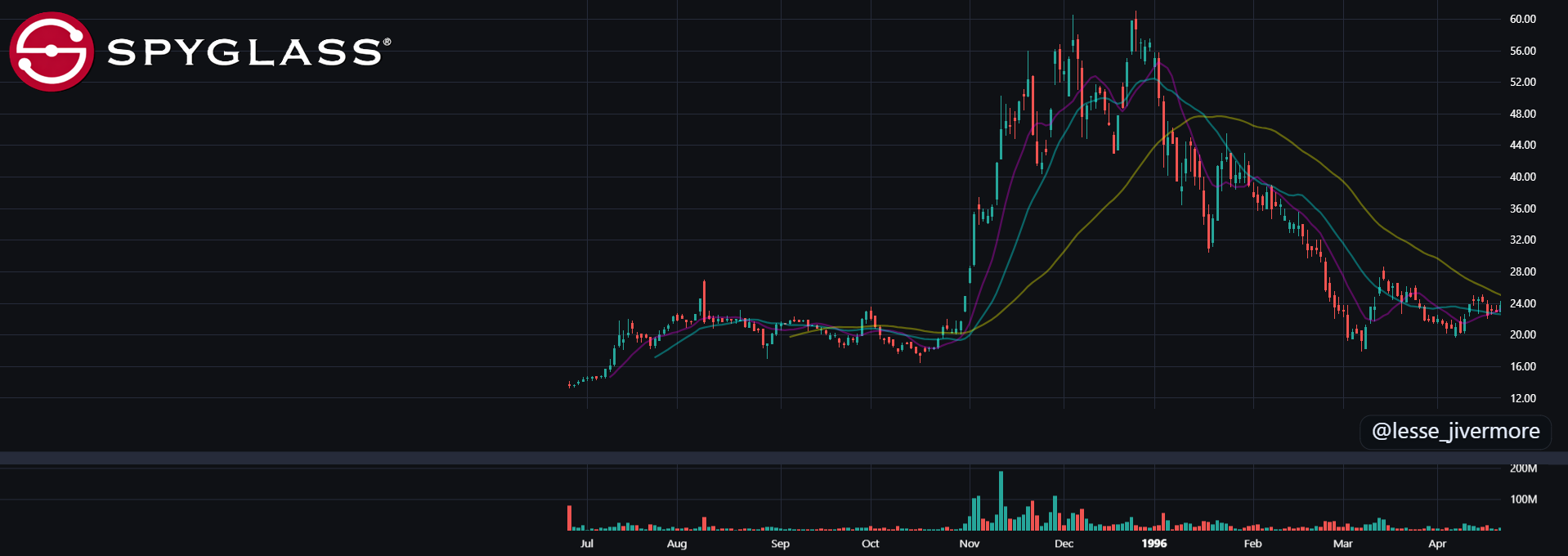
With the incredible growth of the internet over the prior two years, stocks in the internet business were hot commodities. There were still only a handful of pure play internet companies and very few IPOs so far. Due to all the demand for internet stocks, SPYG closed 60% above its IPO price on its first day of trading—a great performance, but one that will be seen as puny and insignificant in comparison for what the market had in store in the years to come.
On the day of the SPYG IPO the editor of On-Line Marketplace said "there is almost a hysteria about these internet and internet-related companies." The week before SPYG went public, their corporate rival, Netscape Communications (NSCP), announced that it would also go public some time in the summer of 1995. All of this only fanned the flames around the ever-growing interest in internet stocks. But nothing could prepare the market for what was about to happen next.
The “Big Bang” Moment
August 9, 1995.
Founded only 16 months prior, Netscape Communications has revenues of just $16M in the past 6 months, has never made a dollar in profit, is losing money, and today, reached a market value of nearly $3B while the share price nearly touched $75 after being priced to open at $28, making it one of, if not the most sensational public debut in Wall Street history to date. For a company of its size, it was the biggest first day performance in history to date.
NSCP wasn’t the first unprofitable internet company to IPO, but it was definitely the largest. It was the top pick of analysts among the newly-listed internet stocks of the day as its Netscape Navigator web browser controlled 75% of the market. That means that three out of every four internet users that surfed the web on a browser did so using Netscape.
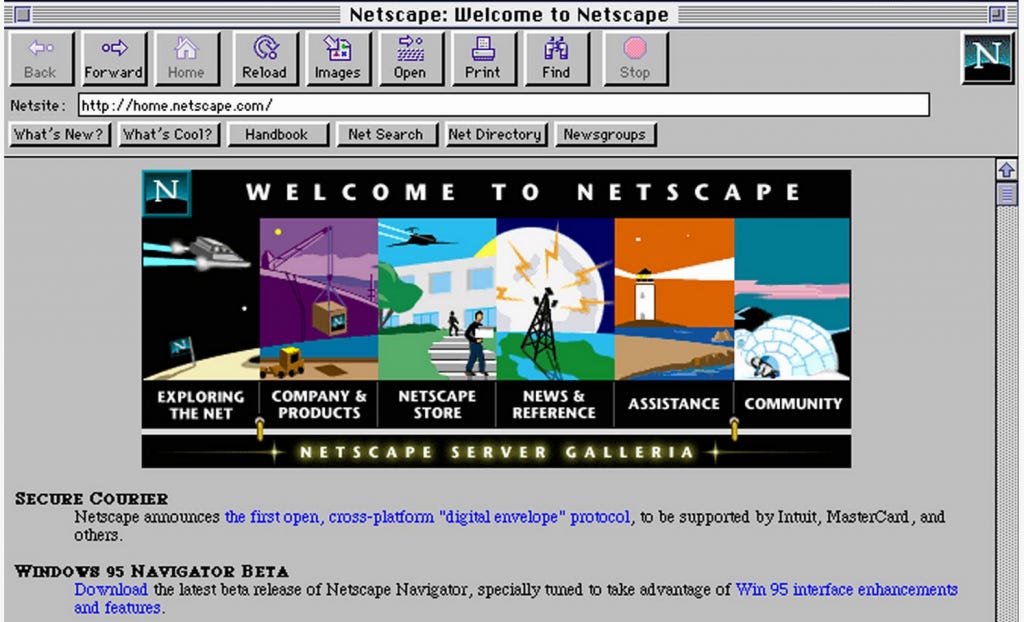
It was widely touted as the “next Microsoft” by many at the time of its IPO. Demand was so insatiable for shares that the underwriters increased the size of the offering from 3.5M shares at $14 to 5M shares at $28. It would also remain the most liquid of the internet stocks that debuted in 1995.
Although it was unprofitable when it listed, in October of that year it reported its first profit in its first earnings report as a public company. Revenues jumped 75% as well. The stock would go on to more than double before the end of the year as the report kept the speculative juices flowing throughout the market.
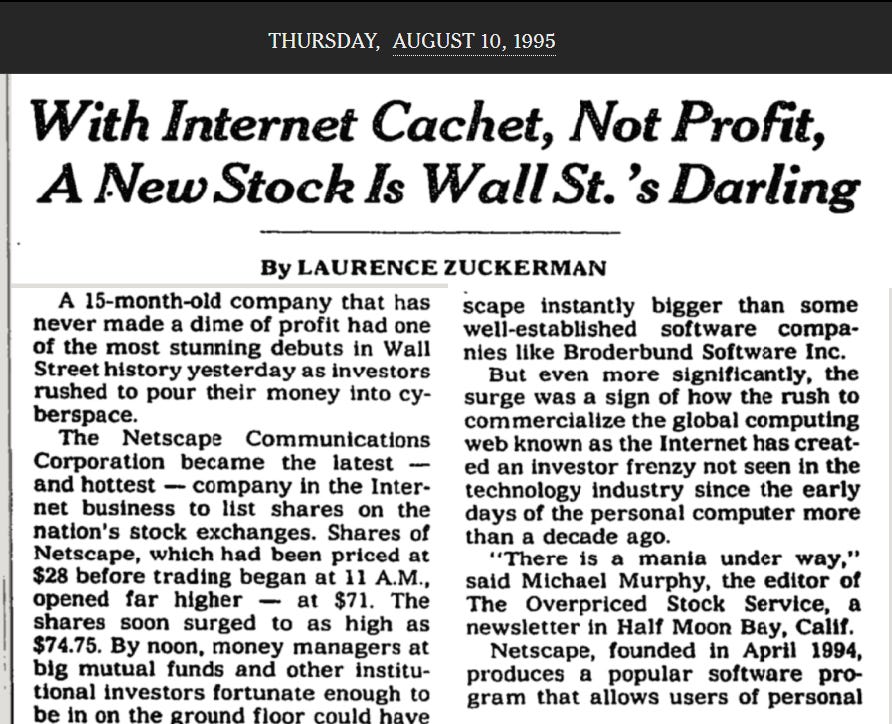
While there had already been what some at the time described as a “mania” in internet stocks before the NSCP IPO, the listing of NSCP marked the pivotal moment when the market entered a new era. The before times were dominated by older, stodgy, slower-growing companies with steady profits and boring businesses. This new era represented the uncharted territory of a “no profits needed, no business model necessary” view of the market. It shifted focus from profits to market share dominance at any cost, profits be damned.
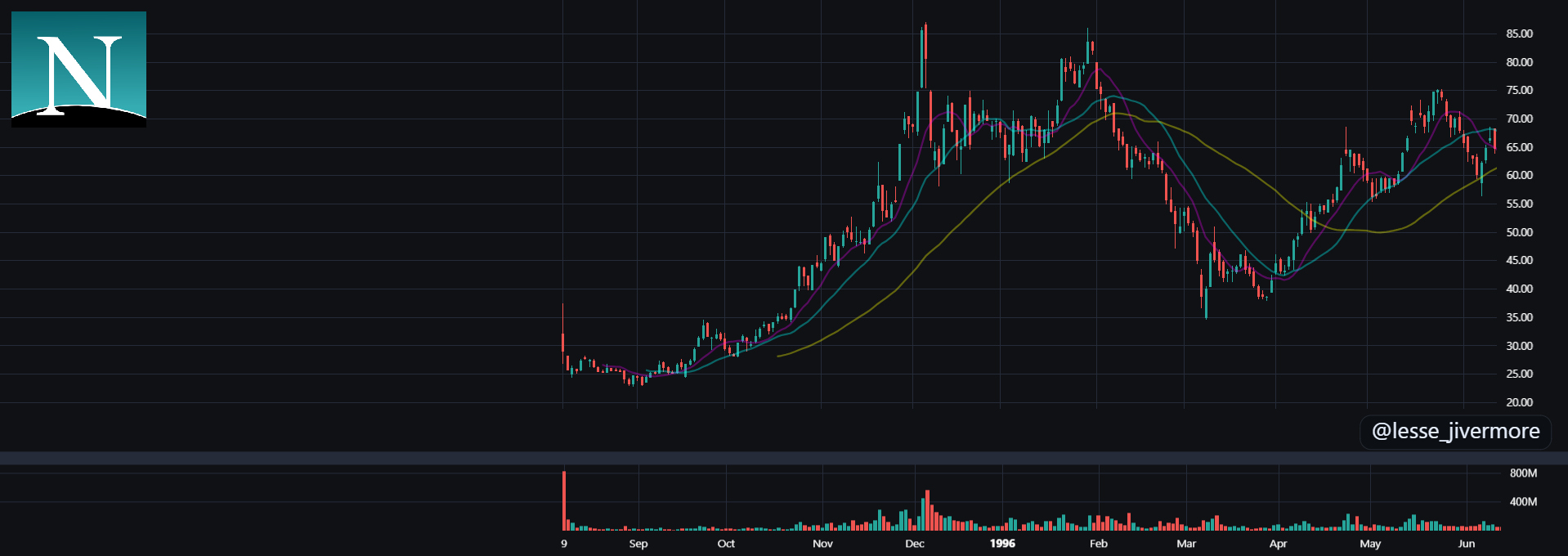
With the emergence of this first round of internet IPOs the market was signaling to private internet companies (and companies not yet formed) that a lack of profits was no barrier to the public markets. As we will see later, a good narrative or sexy story would, in the minds of Wall Street speculators, replace the significance that was formerly reserved for financial stability and fiscal responsibility.
The New Generation of Leaders
One of the features in a hot new technology-driven bull market is the phenomenon of new stock issues quickly becoming the new class of market-leading stocks. 1996-1999 would birth a great deal of the stocks that would become the liquid leaders of the internet group, its various sub themes, and the market in general.
Everyone and their broker’s mom already owned the well-known market leaders like INTC, IBM, and MSFT. But after NSCP they were ready for the privately-held, fast-growing internet startups with the potential to become the next MSFT (much the same way as people today are looking for the “next NVDA”). This desire to catch “the next Microsoft” led to a virtuous cycle. Private companies were influenced and incentivized to go public, investors and traders were incentivized to pour all their capital into these high potential/high risk companies, and computer geeks working a 9-5 were incentivized to go out and start an internet company of their own which would feed the rest of the cycle until it would eventually run out of fuel and crash land back to Earth in epic fashion a few years later.
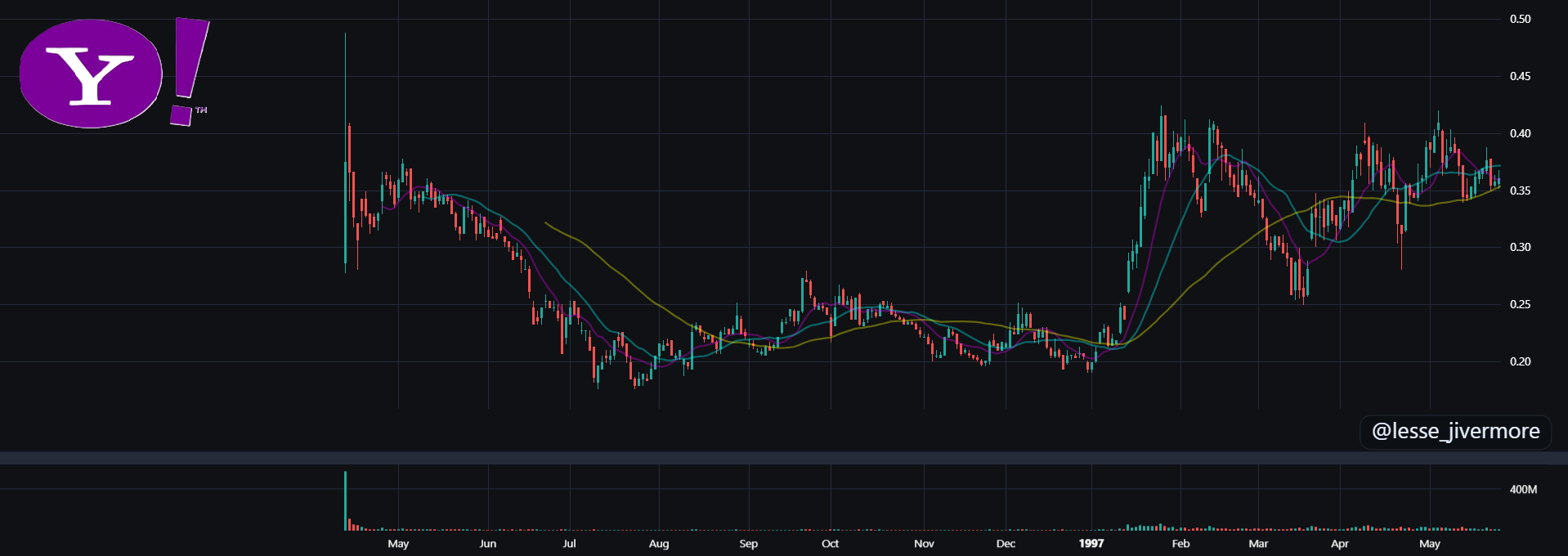
In April 1996, just weeks after Excite and Lycos went public, both internet portals and search engines, one of Wall Street’s favorite speculative footballs made its market debut. Yahoo! (YHOO) was one of the most dominant and most-recognizable names in the internet group at the time. It was the second most-popular web portal behind AOL, and was one of the most-visited websites in the world at the time. A web portal was essentially trying to be your permanent home page; your first touch point with the internet once you’ve logged on.
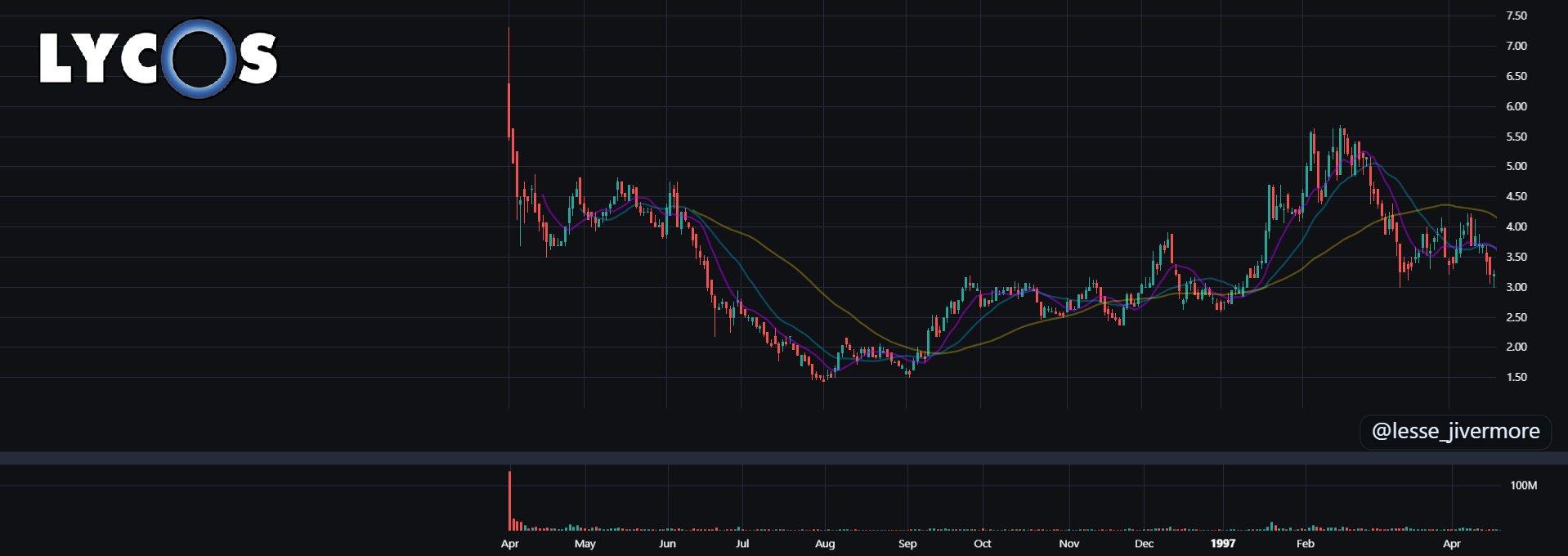
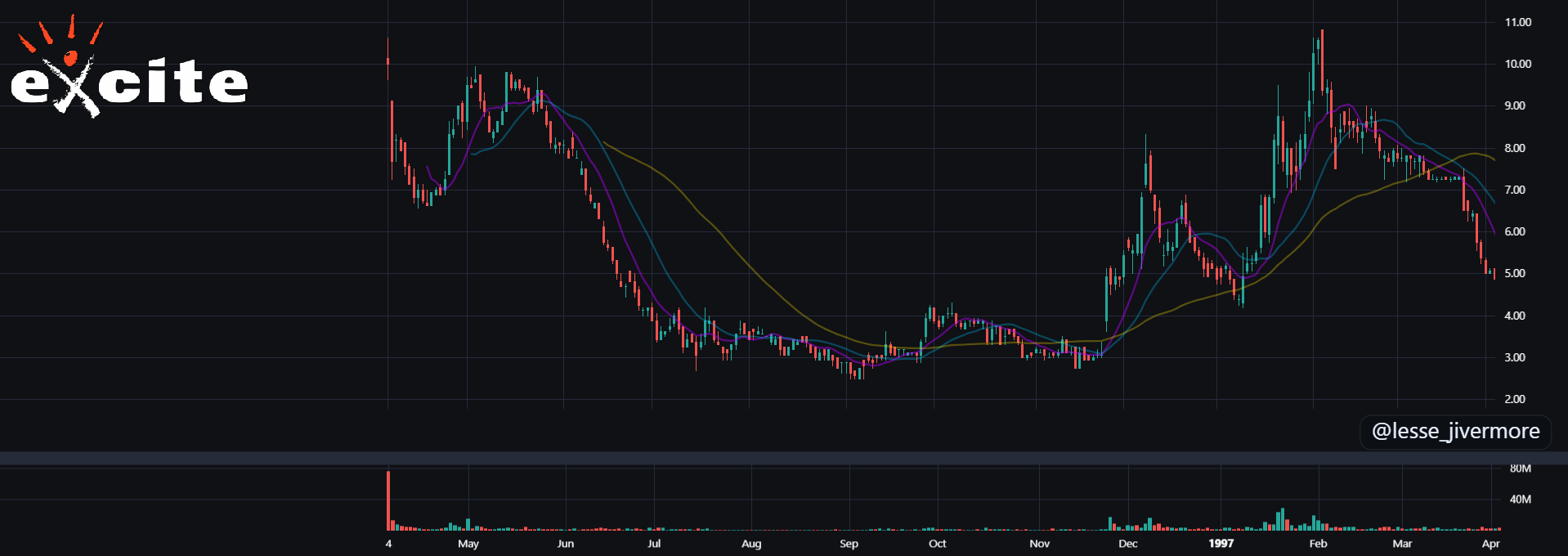
The stock closed over 150% above its offering price of $13 on its first day as the newest edition to the market. But that gain would pale in comparison to the ultimate move it would make in the coming years. Had an investor held on from the opening price on the day of the YHOO IPO, he would have been sitting on a paper profit of well over 10,000% at its peak in 2000. YHOO and AOL truly were the equivalent of RCA of the Roaring Twenties. They were the most-recognizable, liquid, speculative leaders of the bull market. Good news coming from either of these stocks could send the entire internet group on a months-long rally.
Smashing Records
In the 1920s, the newspapers were often filled with details of constant records being set by the bull market. These were usually record high prices and record high market volumes. Later in the bull market in 1928-1929 there were near daily and weekly mentions of volume records being surpassed one after another as stocks continued their relentless march upwards. In the 1990s the records talked about were valuations, IPO sizes, and first day gains.
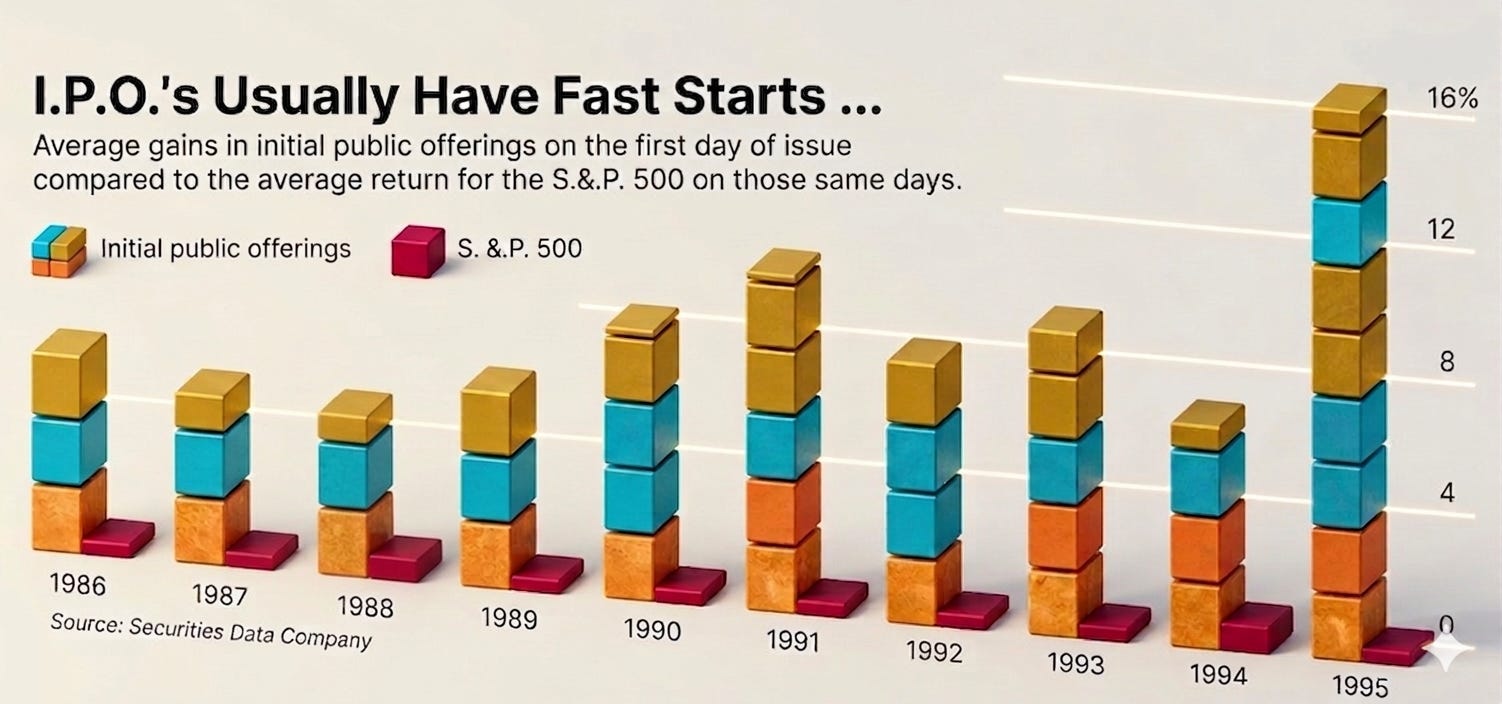
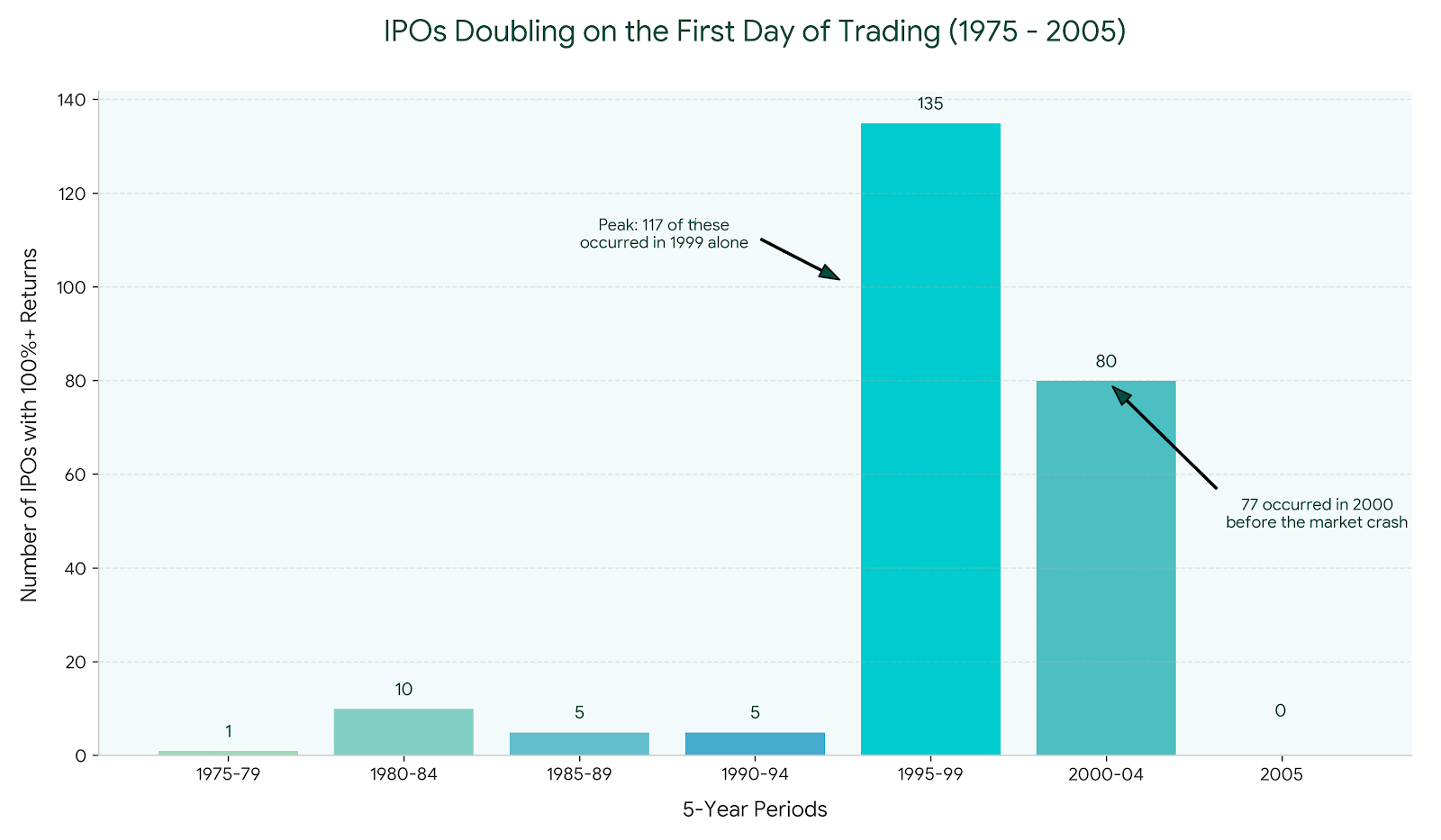
In the earlier years of the bull market, an IPO opening up 100%-200% above its offering price would be a huge first-day gain. But from 1998-2000 these figures would seem quaint next to what was to come.
In November of 1995, just a few months after the blockbuster NSCP IPO, Secure Computing Corporation (SCUR), a provider of network security solutions, listed its shares for $16 and it closed at $48.25 on its first day for a gain of just over 200%, making it the largest first day gain in market history to that point.
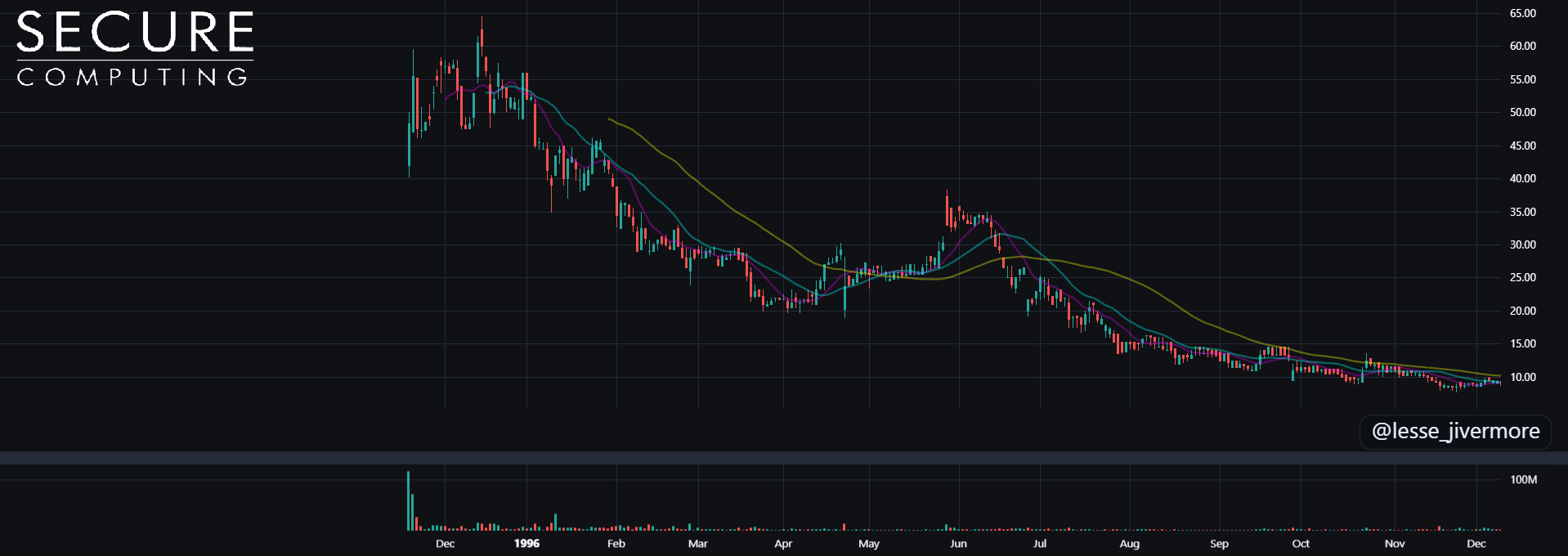
Over the next year, no other stock managed to surpass the first-day gain of SCUR, although YHOO became the second largest first-day gainer when it listed in April of 1996 and closed over 150% higher. It was also a much larger company than SCUR.
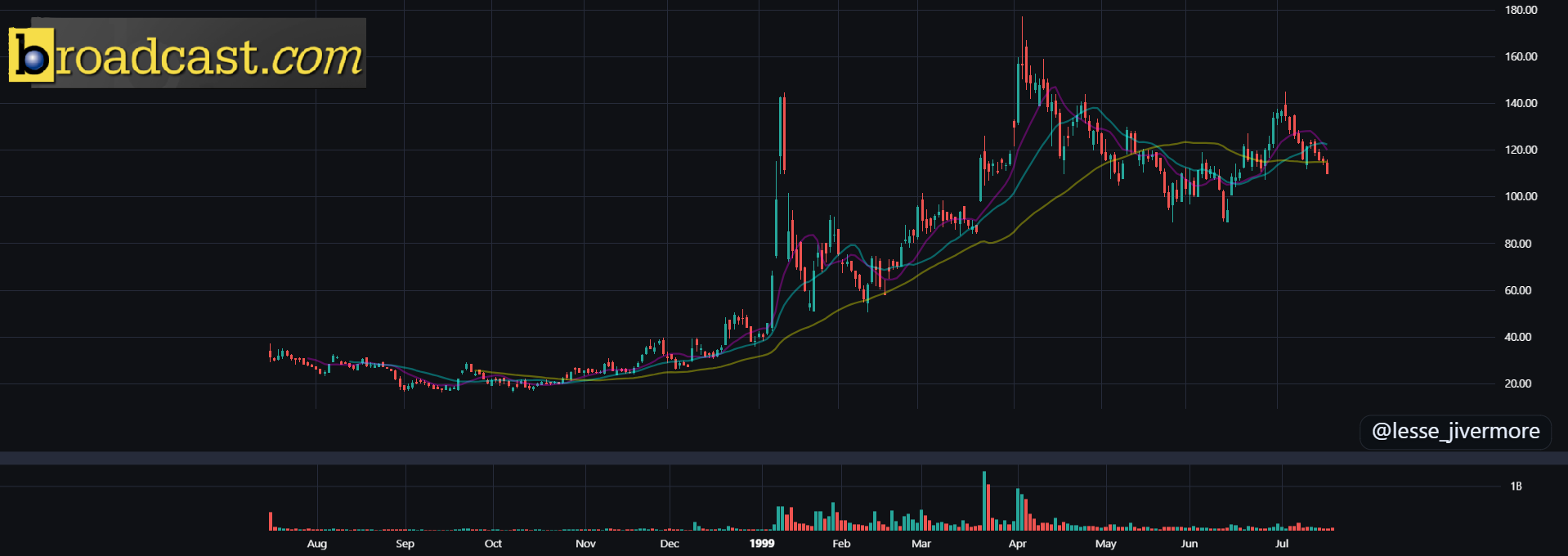
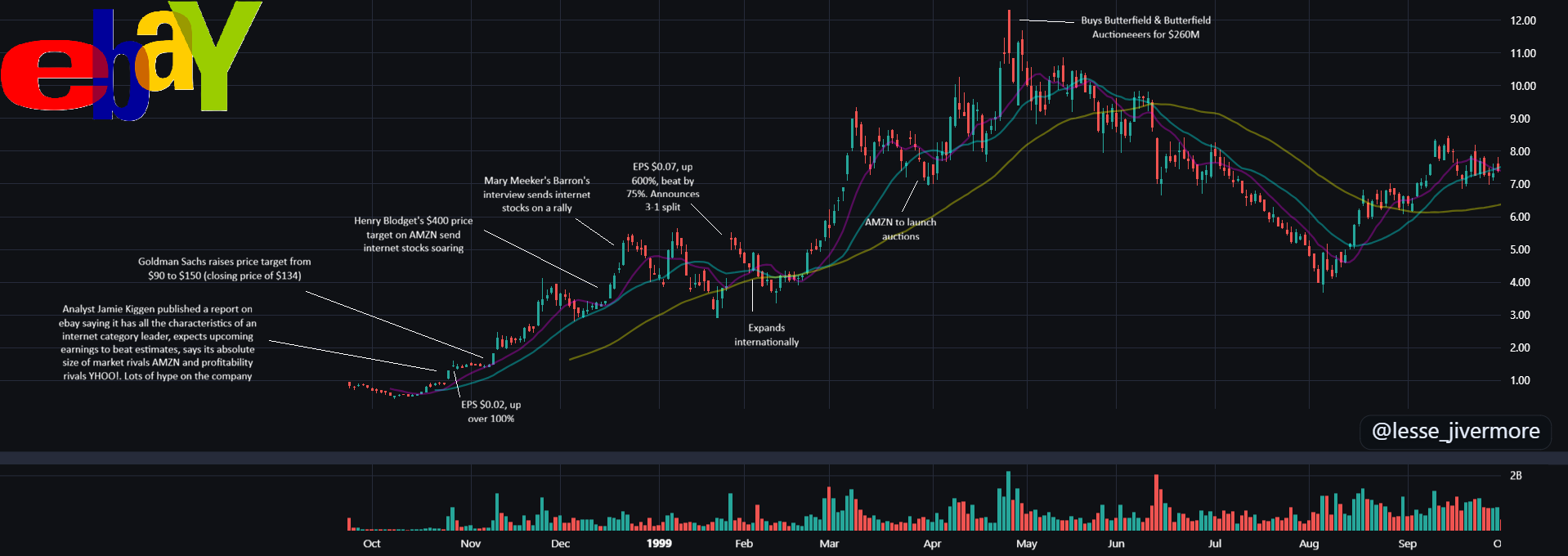
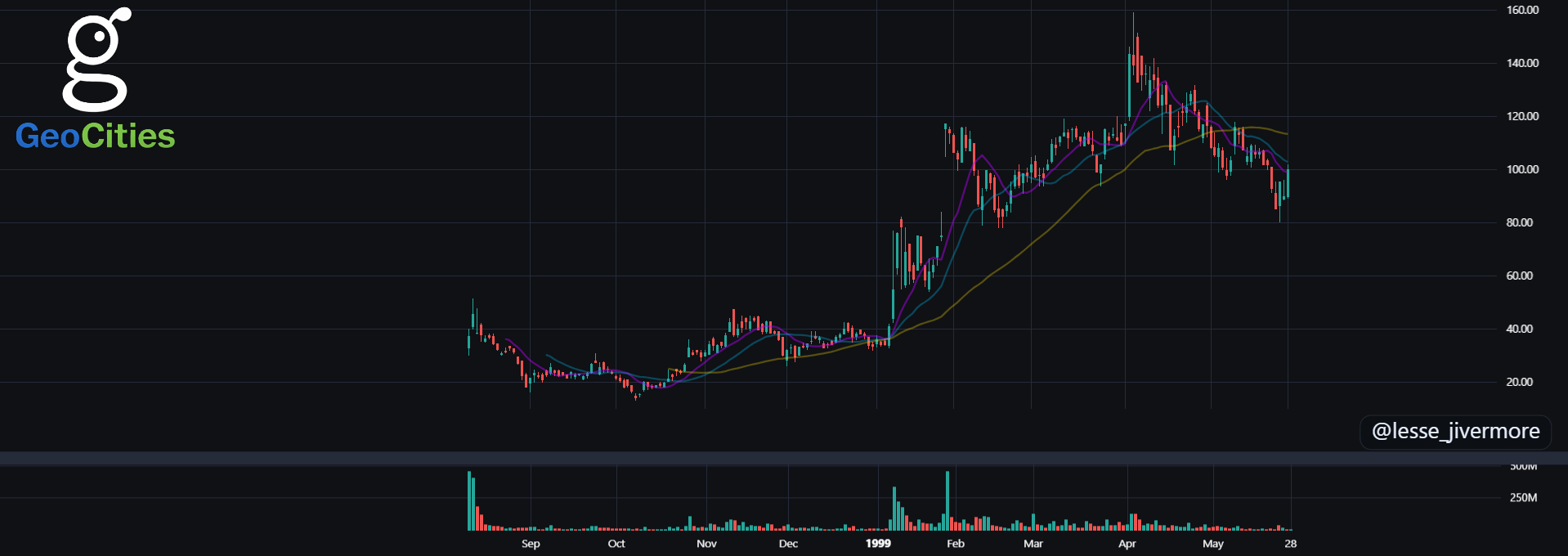
In July of 1998, Broadcast.com, the online streaming service founded by Mark Cuban, smashed SCUR’s record and soared 249% on its first day. In the following months stocks such as Geocity, and EBAY were listed. While they, too, were highly-anticipated IPOs and jumped well over 100%, they couldn’t beat the 249% BCST gain. Then in November, Earthweb, a company that created websites geared towards computer programmers, shot up 248% in its debut, coming up just 1% shy of BCST’s record.
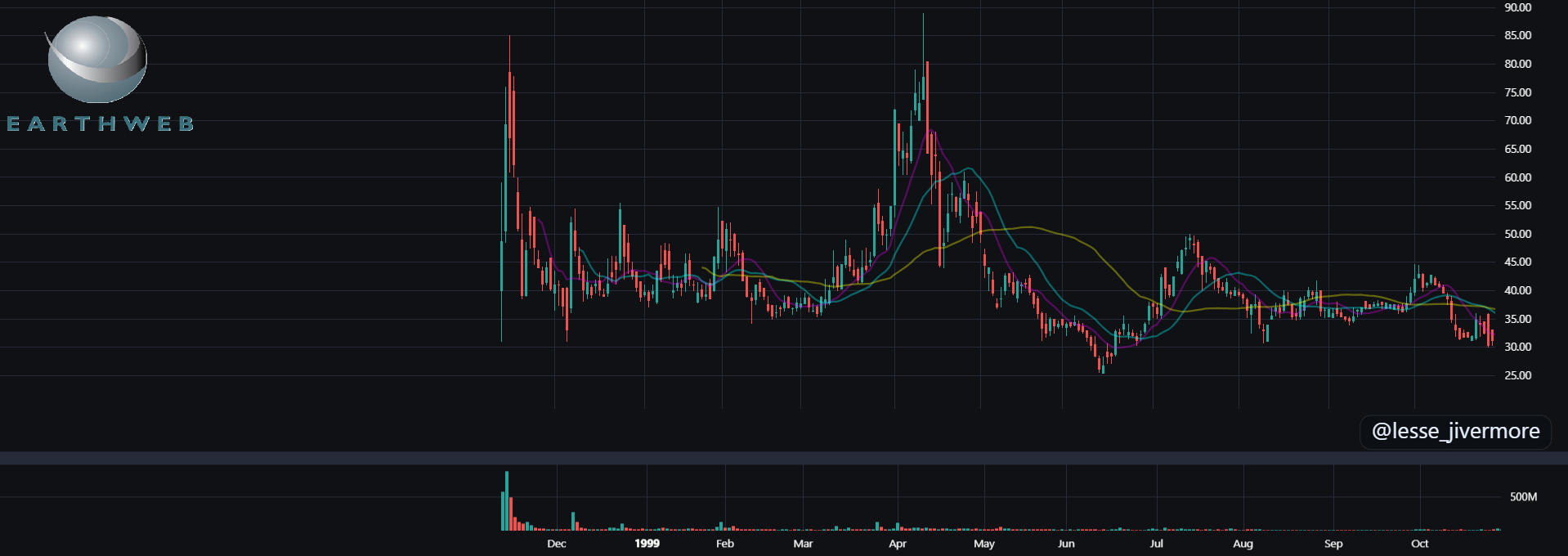
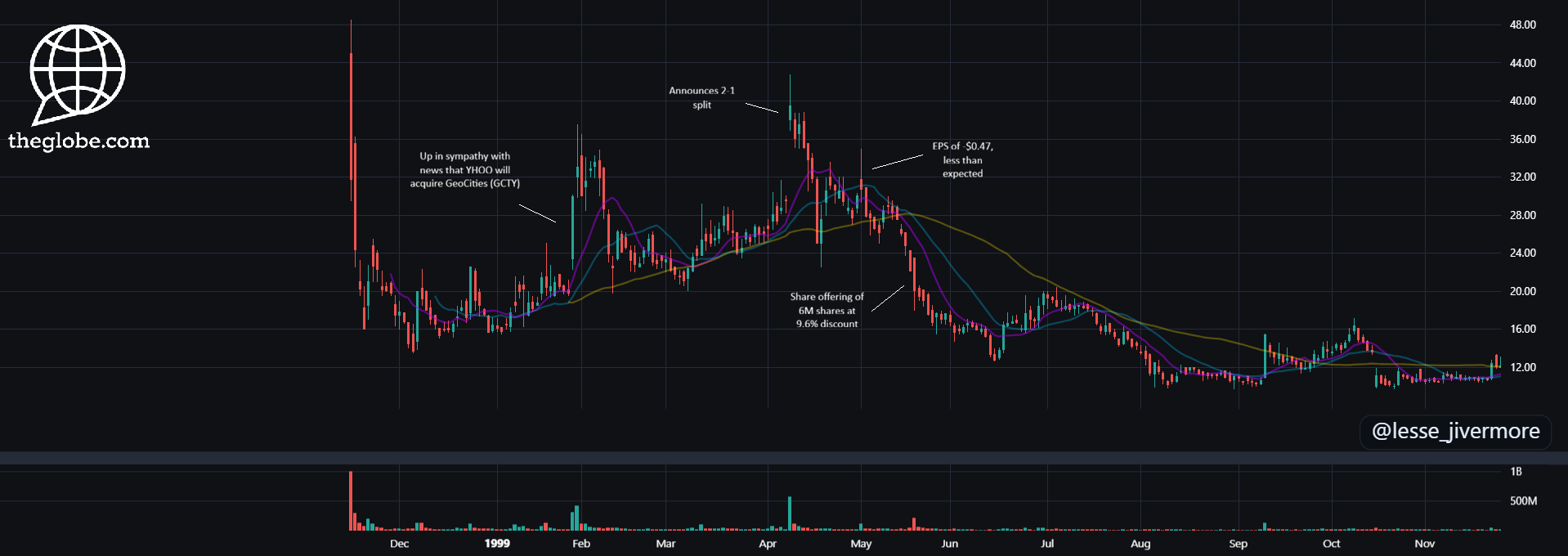
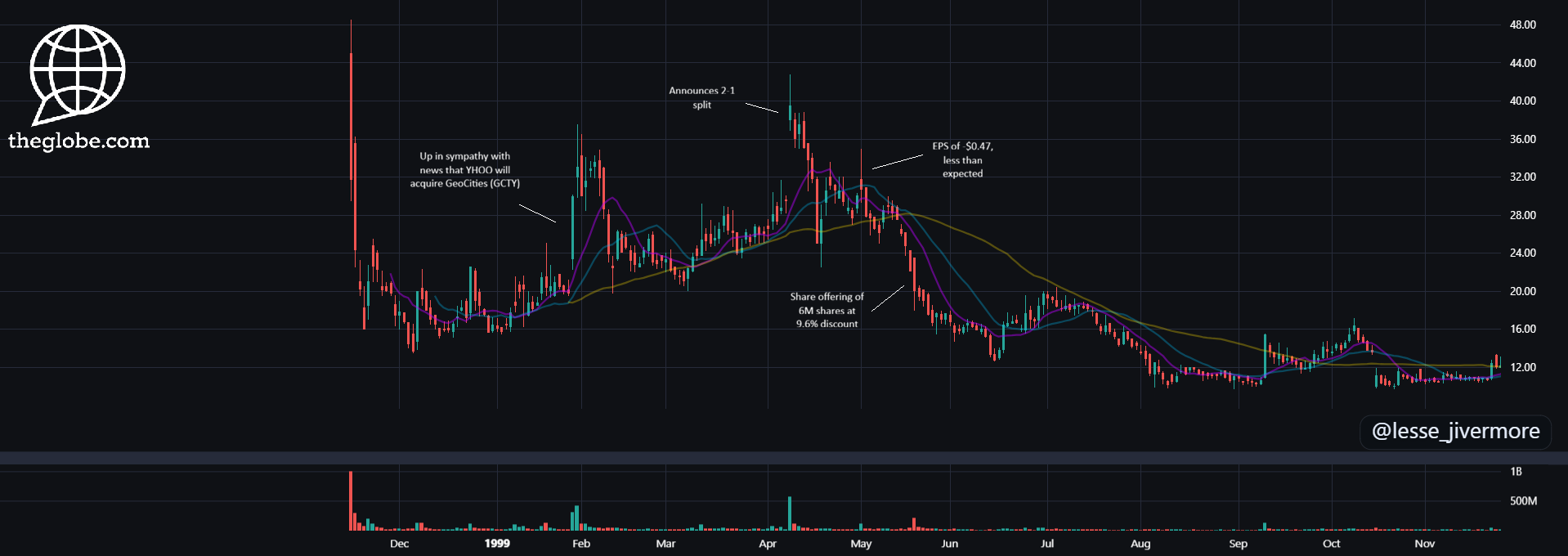
Just two days later, Theglobe.com (TGLO), a little-known social media company that wasn’t widely-anticipated ahead of its first day exploded up to close 606% from its offering price of $9 while hitting an intraday high of nearly $97. This was enough to give the company a valuation over $800M, shocking the Street in a wild display of the speculative fireworks that had come to characterize the growing mania in internet companies. The TGLO IPO was a landmark event in the dotcom bubble. Some cite it as the biggest signal that the market had lost all touch with reality. It was an absolute sensation in the media at the time.
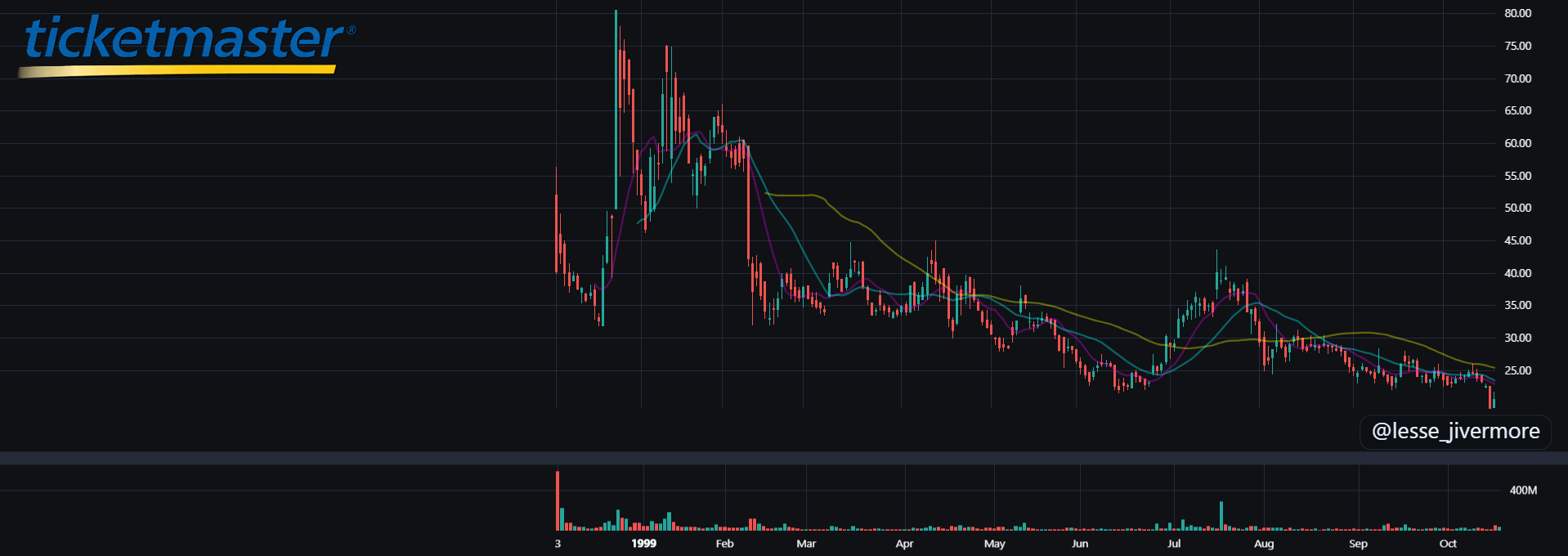
The following month Ticketmaster and online auction site, uBid, both much-awaited IPOs also soared above their offering prices, but coming nowhere near TGLO. Marketwatch had its IPO in January of 1999, closing up 474%, not a record, but a major outlier among the onslaught of IPOs.
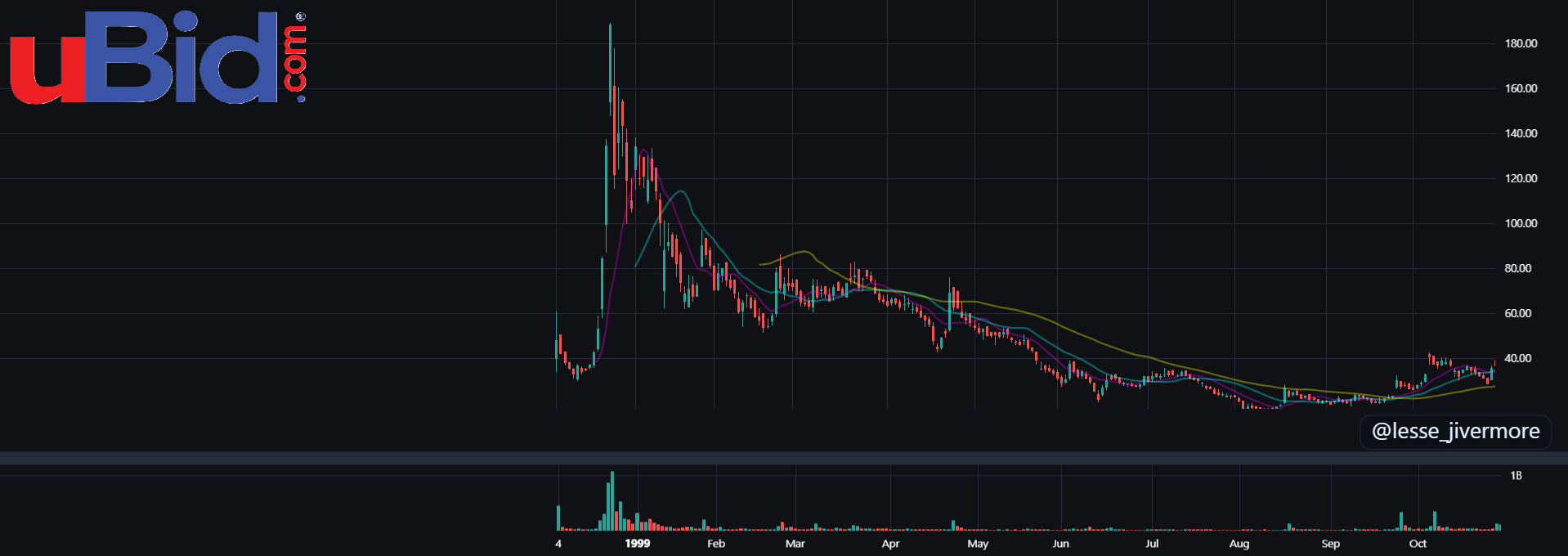
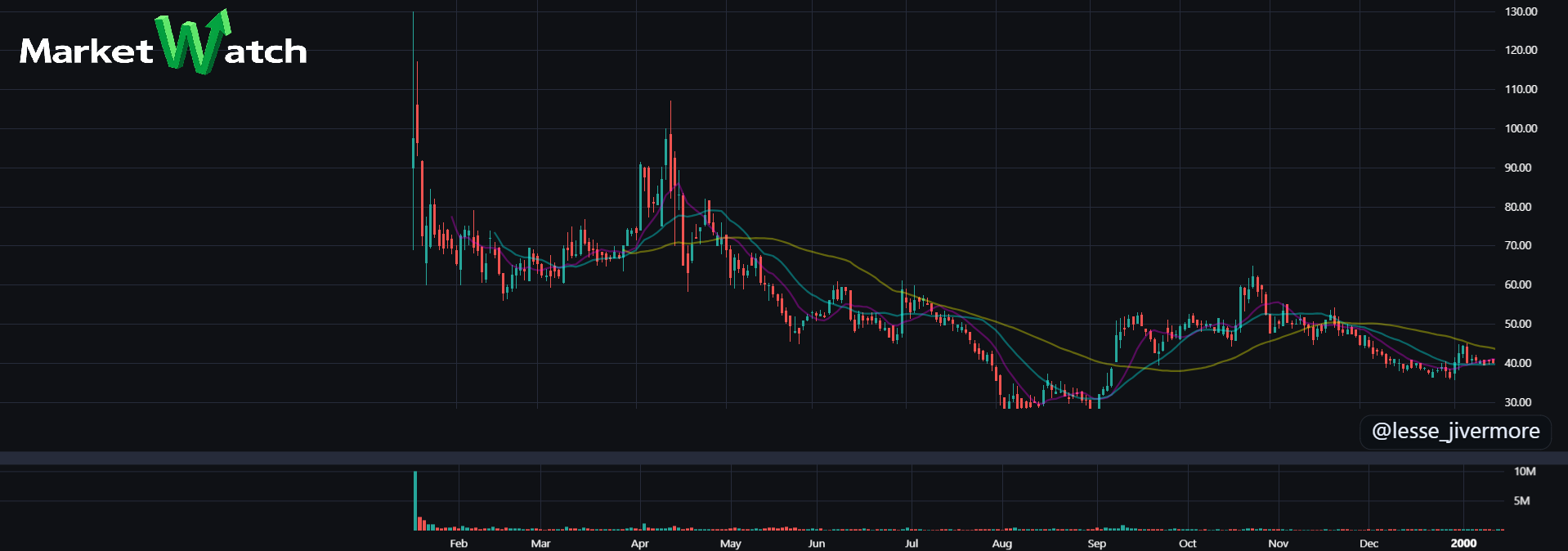
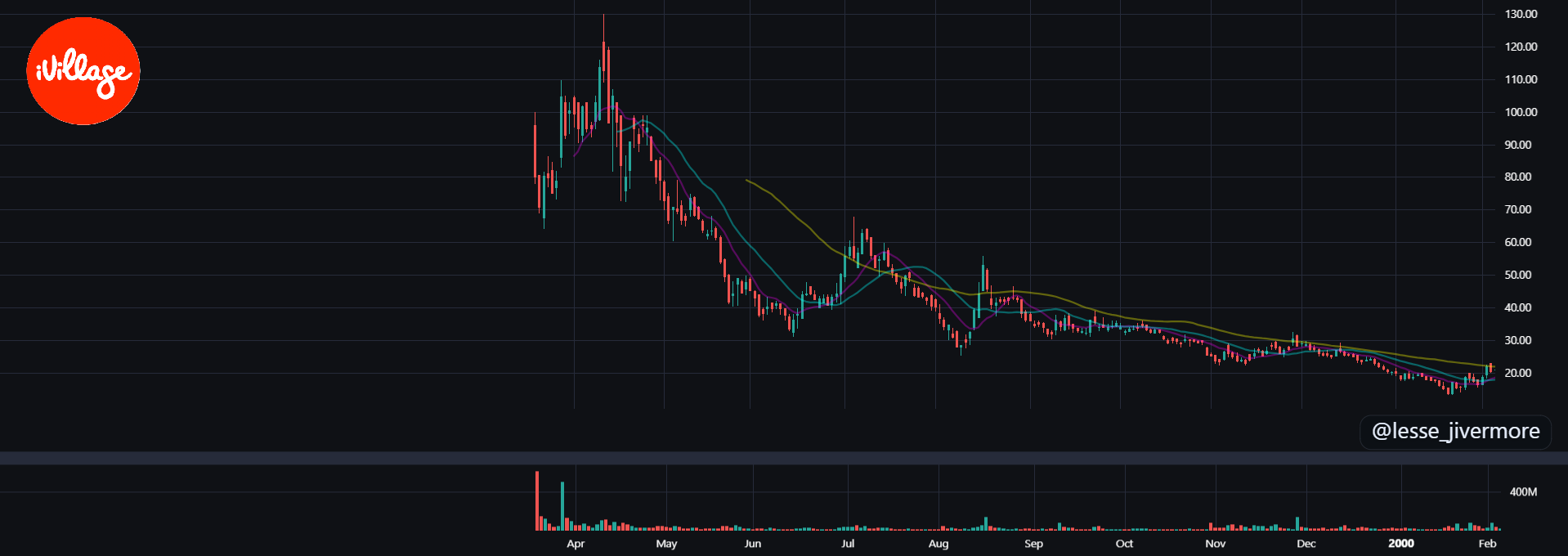
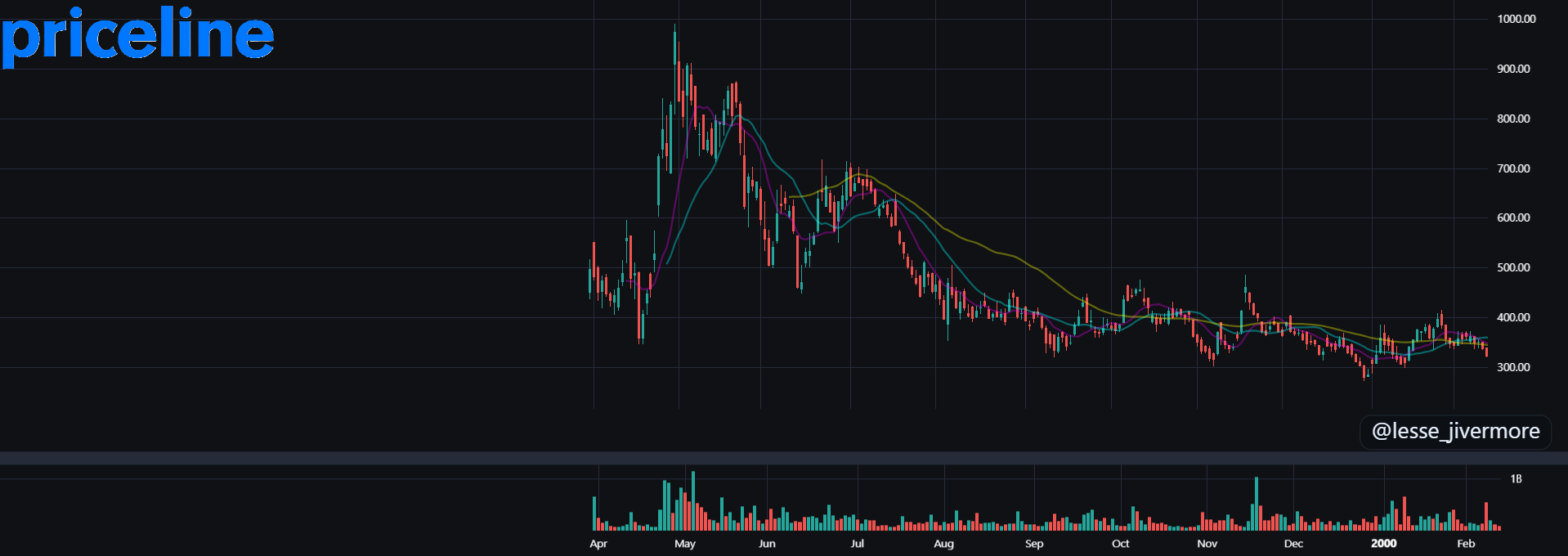
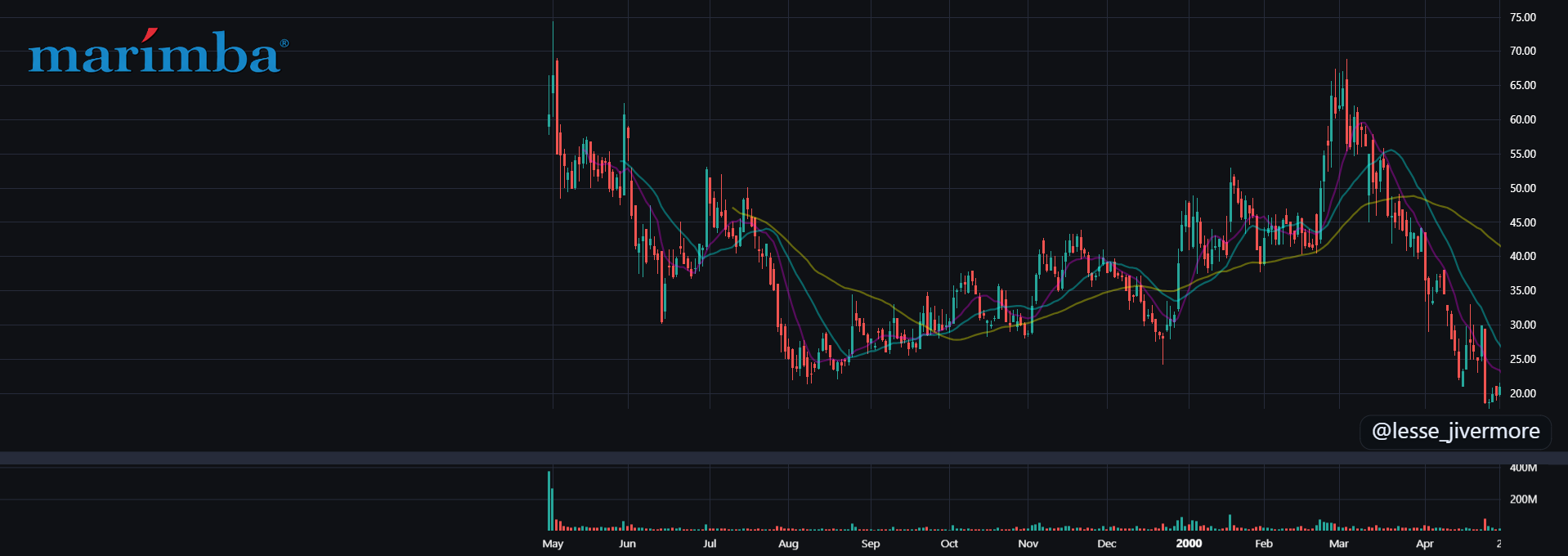
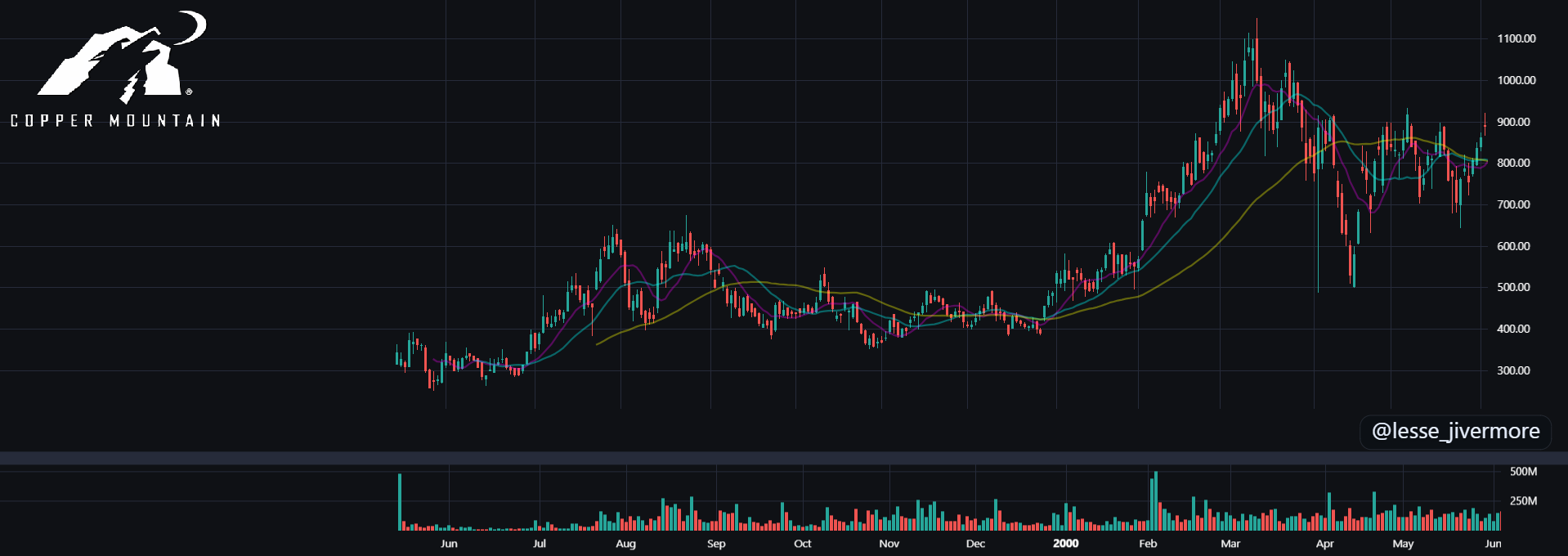
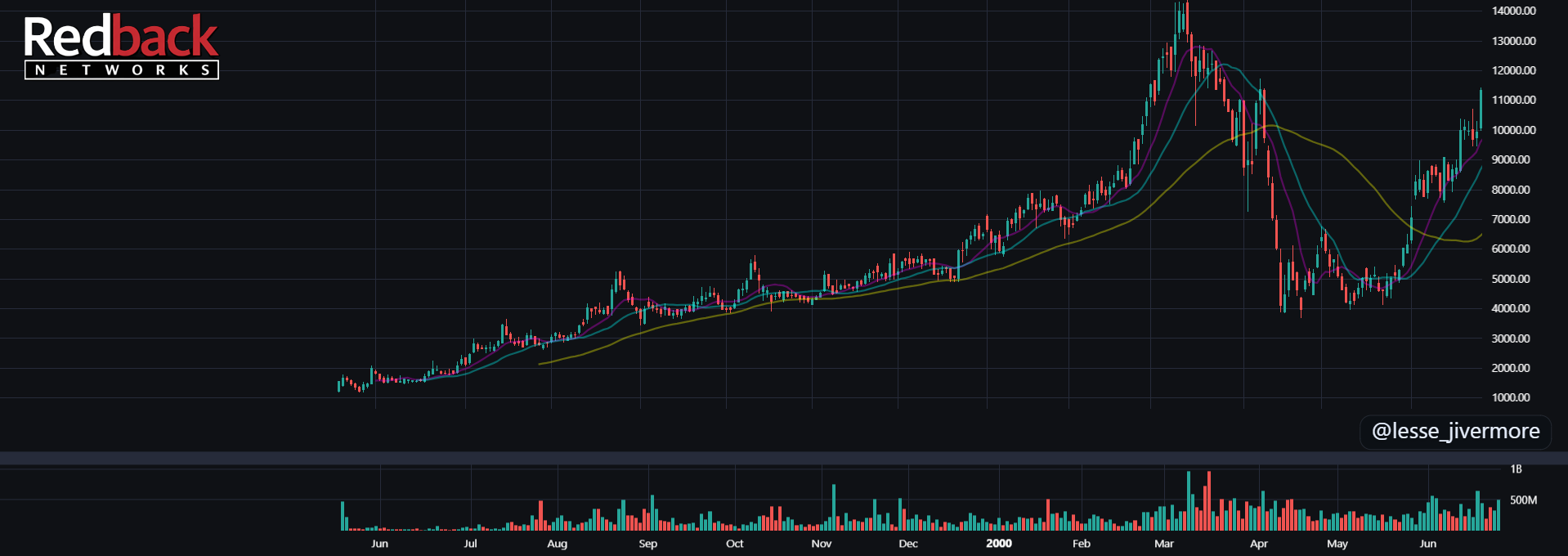
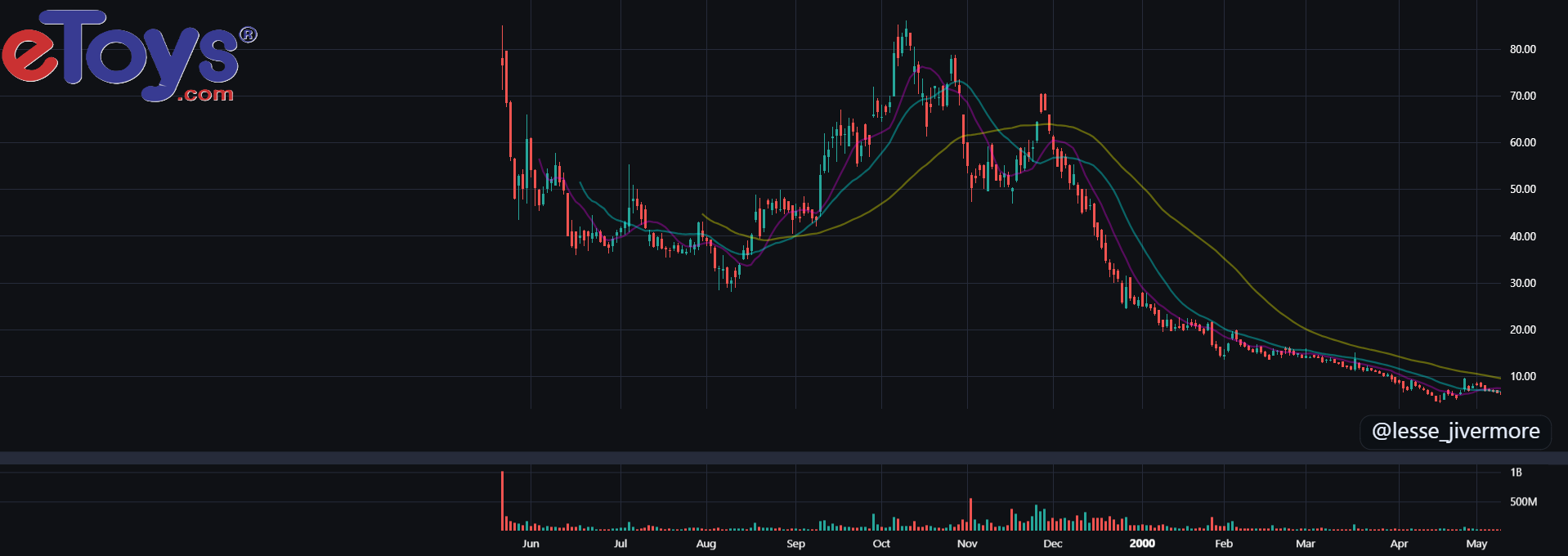
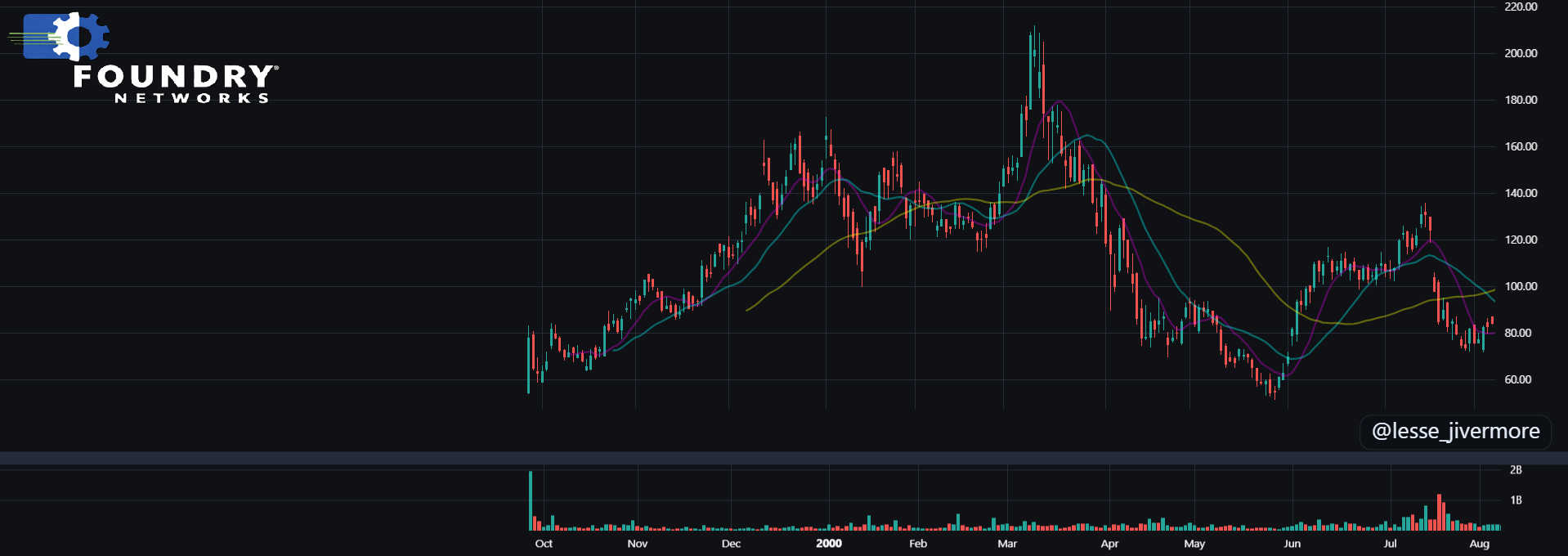
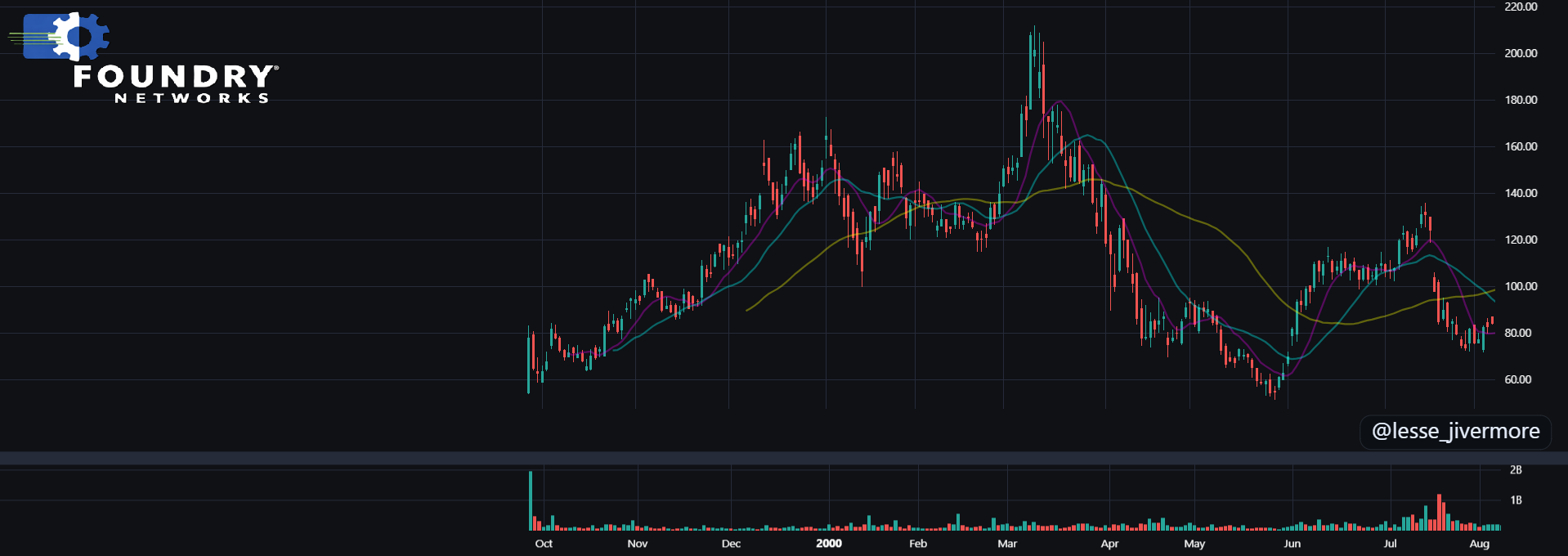
In 1999 there was iVillage, Priceline, Marimba, Copper Mountain, Redback Networks, eToys, Ariba, Ask Jeeves, CommerceOne, Redhat, and many more that made huge first-day gains. Foundry Networks shot to the second all-time gainer spot when it closed up 525%.
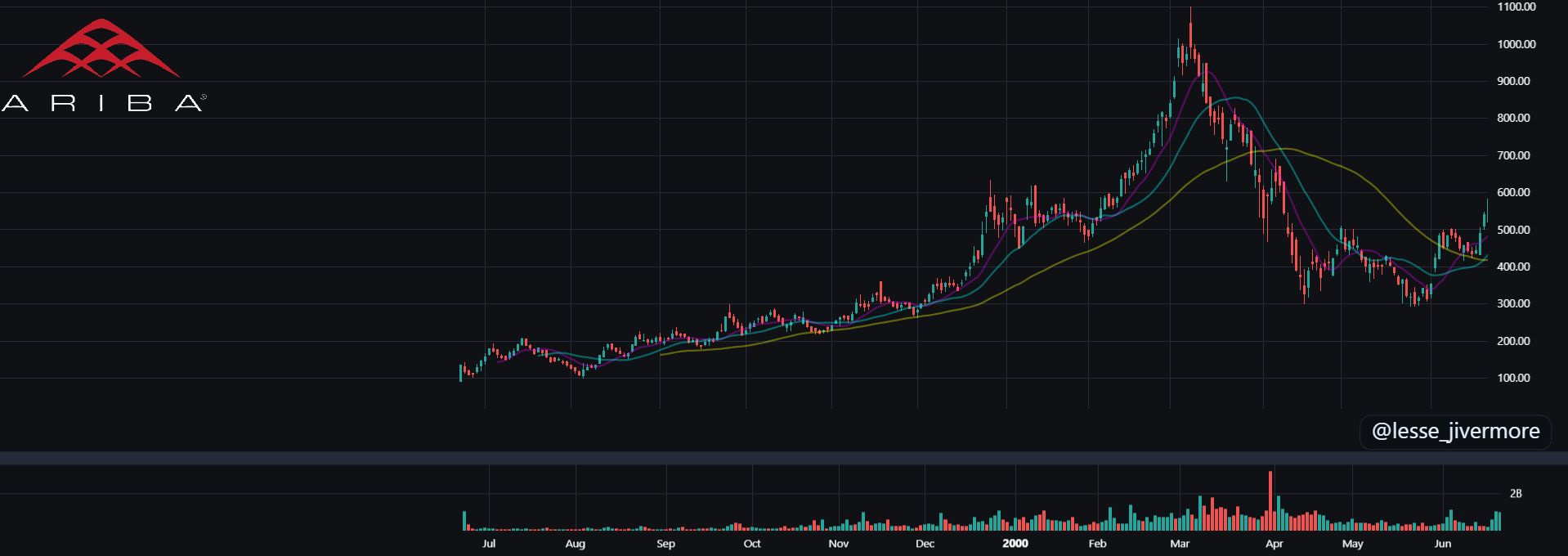
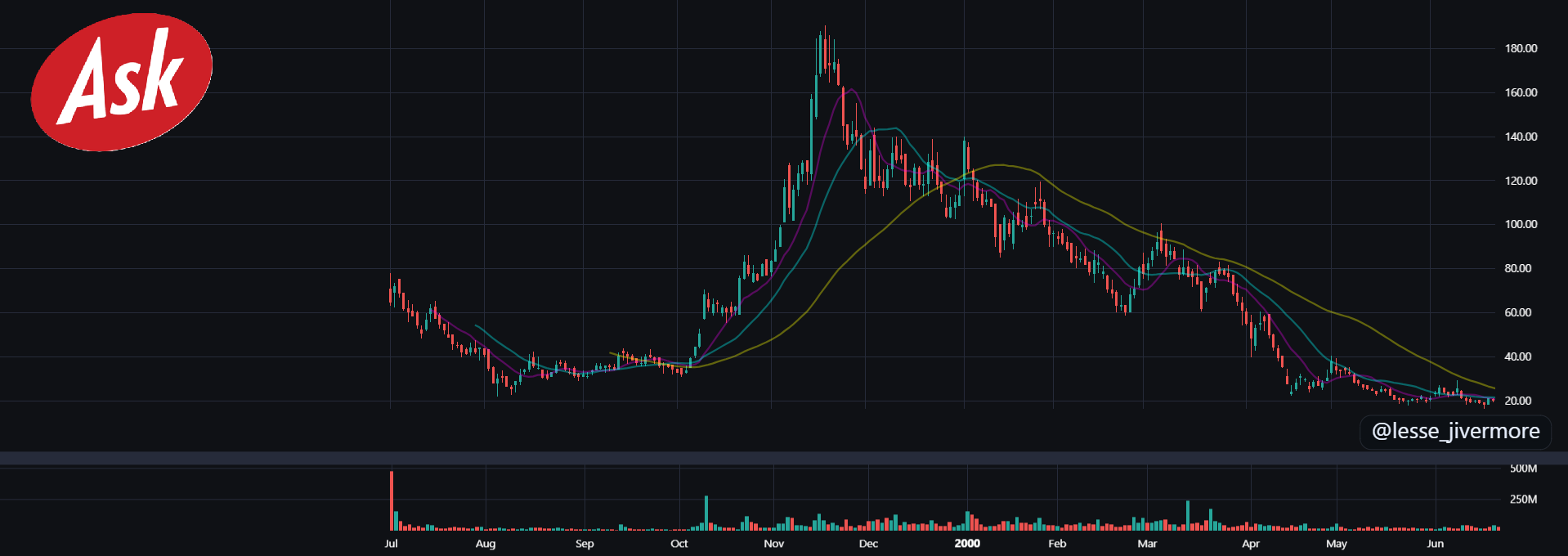
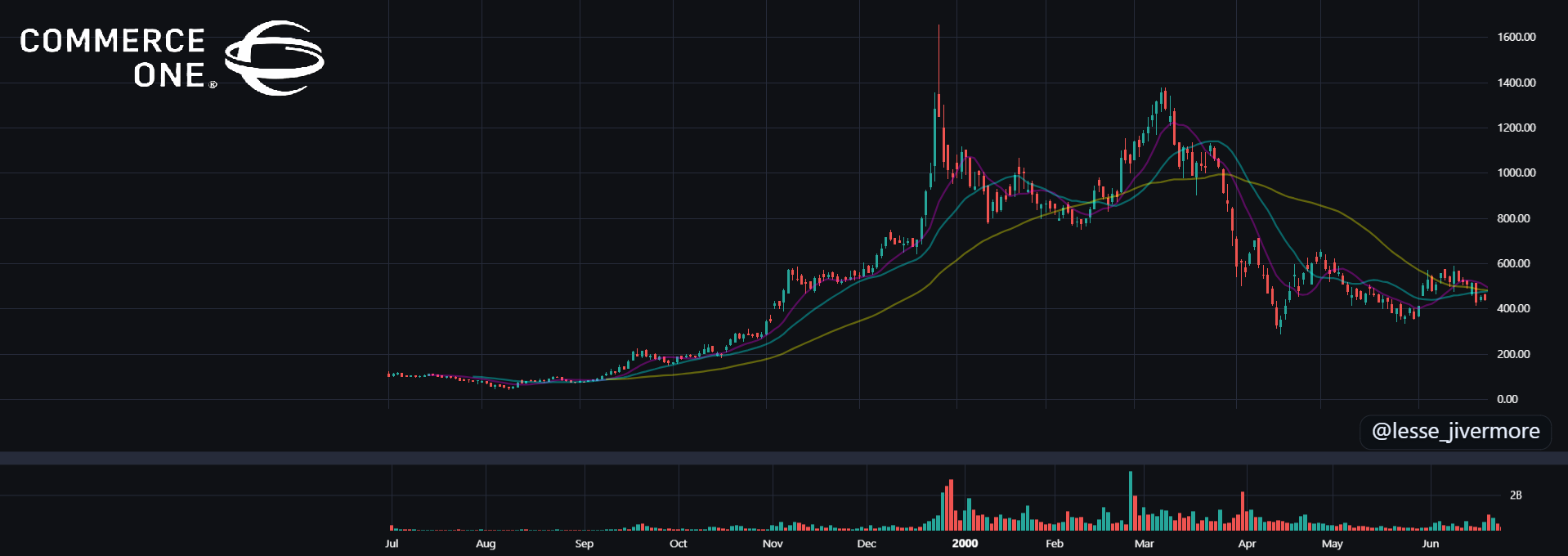
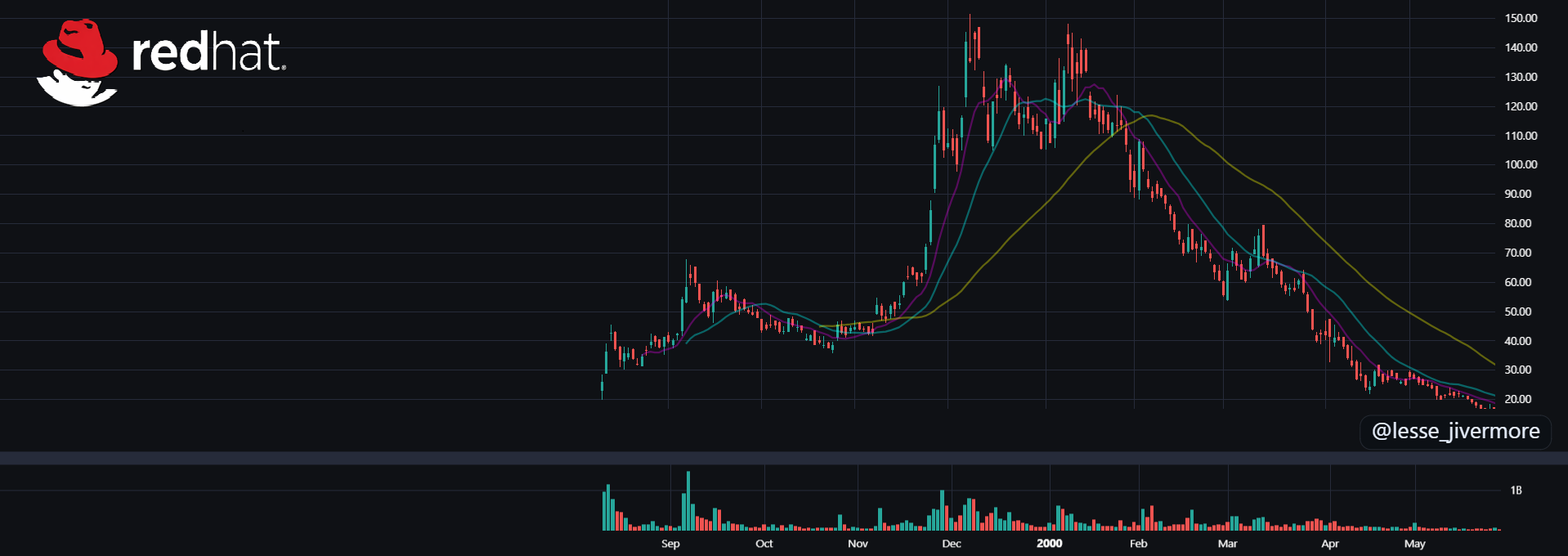
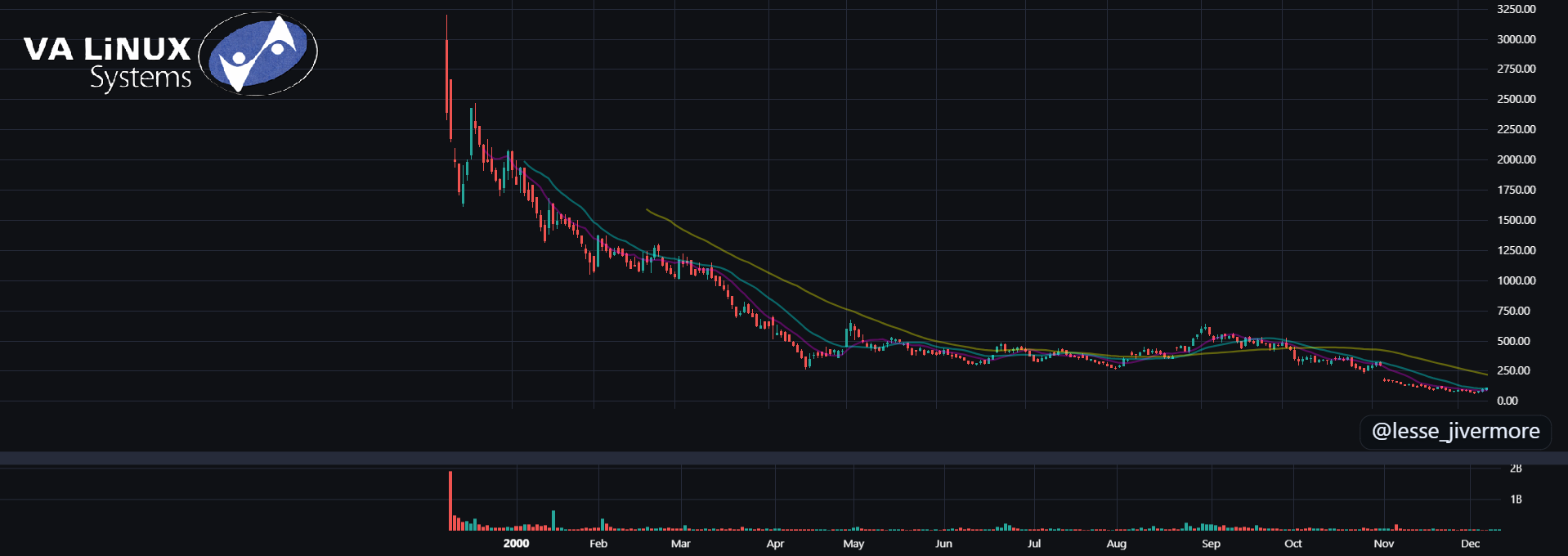
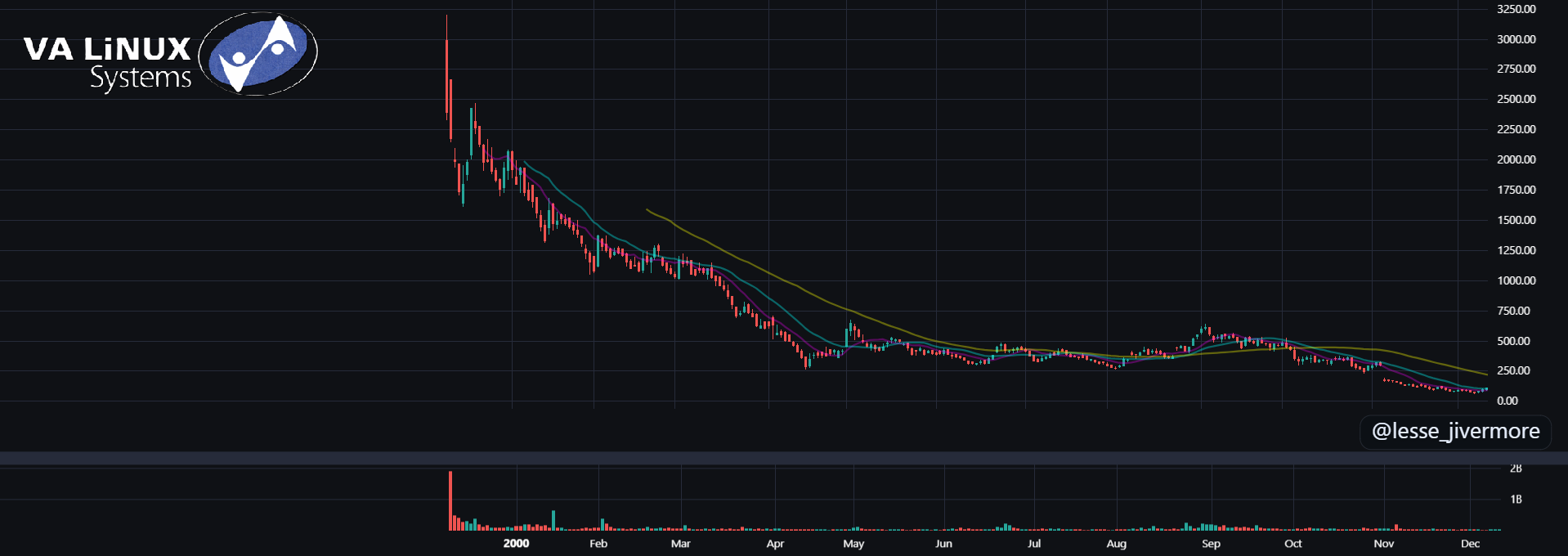
Then in December 1999, one stock took the crown in a first-day move that would stand at the top of the leaderboard for 25 years. VA Linux, a manufacturer of rack-mounted servers that were preinstalled with Linux (widely seen as the only credible threat to MSFT’s operating system monopoly), took Wall Street by storm. After raising its initial offering price from around $11 to $30, it closed at $239 for an incredible gain of 698%, pushing its valuation to nearly a whopping $10B, more than 10 times the first-day closing price of YHOO three years earlier.
Late To The Party
One of the most reliably predictable phenomenon in hot tech-led bull markets is that of hot sector stocks making their way into the public markets at the last moment while the market is in its last euphoric rush just before the beginning of, or during its inevitable death throes.
Many companies have a bad habit of waiting until the stars appear to be perfectly aligned. They wait until they can get the absolute top-dollar valuation after years and years of a bull market led by their high-tech peers. They all flood into the market in the last 12-18 months of the bull market, essentially catalyzing the beginning of the end and transforming the runaway bull market into a completely manic bubble until the euphoria reaches its zenith.
In the 1920s this phenomenon was starkly apparent in the new listings of utilities stocks, aviation stocks, and investment trust stocks (investment funds structured like a matryoshka doll of leverage). Starting in late 1928 while the market was reaching its most powerful rally many of these speculative stocks of dubious quality flooded the exchanges. Then, throughout 1929 when investors and traders were reading the final chapter of the never-ending bull market, there was a mad dash made by investment banks to push out as many hot sector stocks as possible. The majority of these were in the most speculative industries with opaque financial structures.
A great deal of the latecomers failed to make the expected large moves seen from their early-arriving peers. Huge trust companies issued by Goldman Sachs and JP Morgan in 1929, even though they were widely followed and highly liquid, only managed to make breakout moves of 10-30% before being stopped in their tracks by a break in the market. Likewise, in the 1990s a lot of highly liquid big-name IPOs failed to live up to the expectations set by the IPOs that came before them.
Many of the most highly anticipated IPOs, contrary to what one may assume, perform quite horribly. Not just in the fact that they don’t open much higher than their IPO price, but that they either immediately trade straight down or make an initial pop before imploding and never recovering. From what I have seen from the 1920s-today, the highly anticipated and hyped-up IPOs that debut in the earlier or middle stages of these bull markets have the best odds of becoming great candidates for future market or group leadership within the same cycle. (This is most likely simply due to the fact that as time passes, there is just inherently less time for any given stock to build up any level of leadership). It’s generally easy to tell when the market is in the early or mid stages, but harder to try to time the end stage, although it seems to be around the sixth year of a bull market that the stock bubbles tend to fizzle out.
In 1924-1929 it was in the sixth year that the leaders really began to stall. In 1995-2000, likewise it was in the sixth year that the bubble burst. After the 1982 breakout to the crash in 1987, it was five years. The 1960s bull market also lasted five to six years (the indexes can be deceiving in earlier years). In 1954-1958, it was also the sixth year that the market began to stumble for a few years before resuming its upward trend. This isn’t a hard and fast rule, but more of a general guideline to help one be aware of what is historically normal.
It is very common for extended bull markets to occur across decades with occasional stops and starts, but for true bubble markets like the 1920s and 1990s they generally end after an extended period of euphoria. It will always look like a normal pullback from the highs just like in previous rallies during the same bull market, but again, if the hype-driven market has been going on for at least five years, it could be a sign that the music may be stopping. Big IPOs that come to the market this late in the party can make excellent shorting opportunities as you can see from many of the charts in this post and others.
Dotcom Disasters
Not every company that rides the wave of a speculative boom is destined to survive it. In any genuine technological revolution, capital floods into the entire sector indiscriminately because, at the time, nobody knows which companies will ultimately dominate and which will fail. That uncertainty isn’t a sign of irrationality. It’s an unavoidable feature of investing at the frontier of a new industry. For every Amazon there will always be a Pets.com, and in the heat of the moment, they can look like the same thing. The disasters of the dotcom era weren’t flukes. They were the price of admission for the winners that came with them.
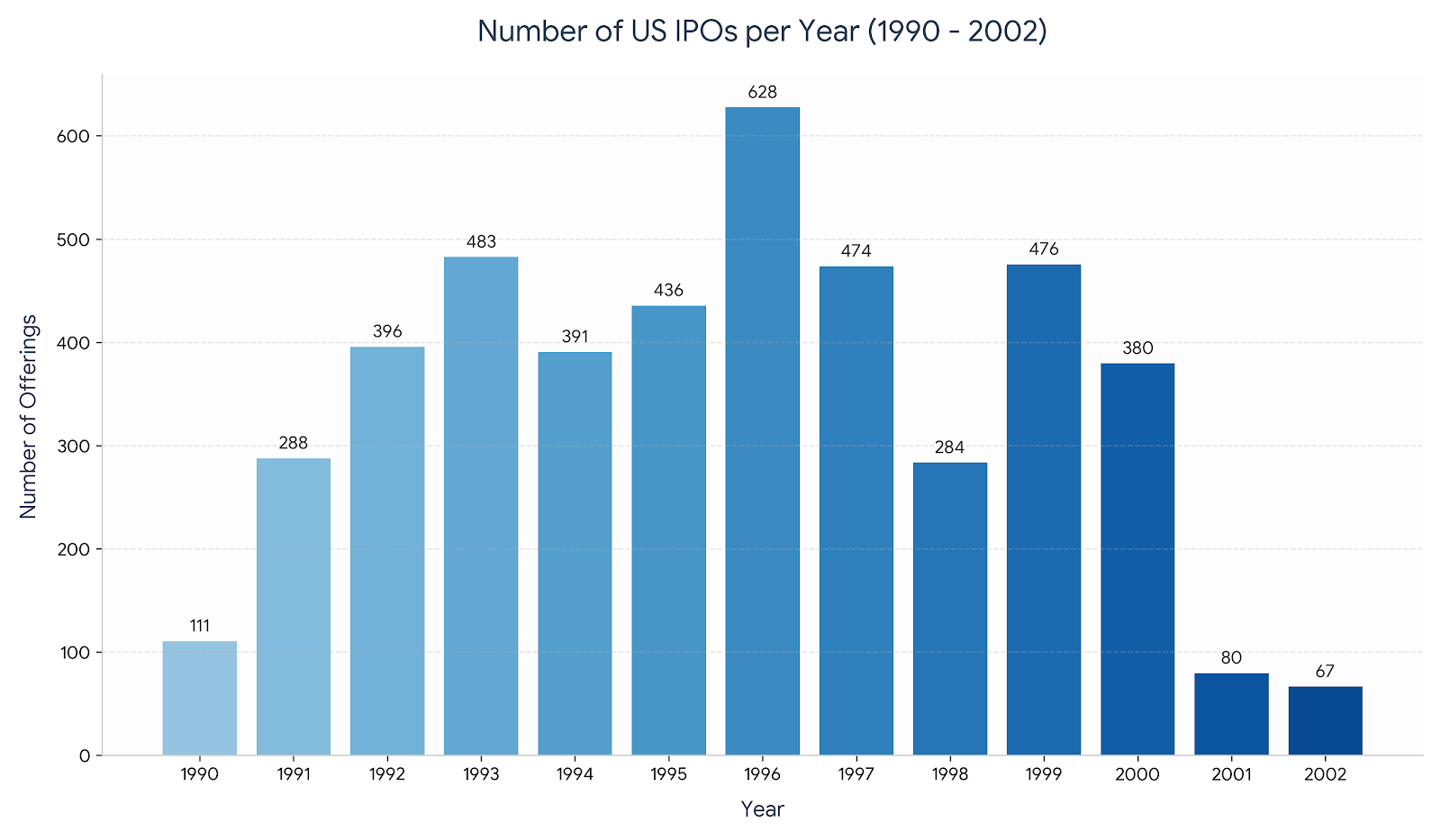
As you can see by the chart above, the peak count of IPOs was early in the dotcom period in 1996. The Asian financial crisis and Russian ruble crisis led to a decrease in the number of new issues in the market in 1997 and 1998 amid concerns of widening panic. One would think that the highest number of IPOs would have been at the peak of the euphoria in 1998 or 1999. While the raw number of IPOs decreased, the volatility of them certainly didn’t.
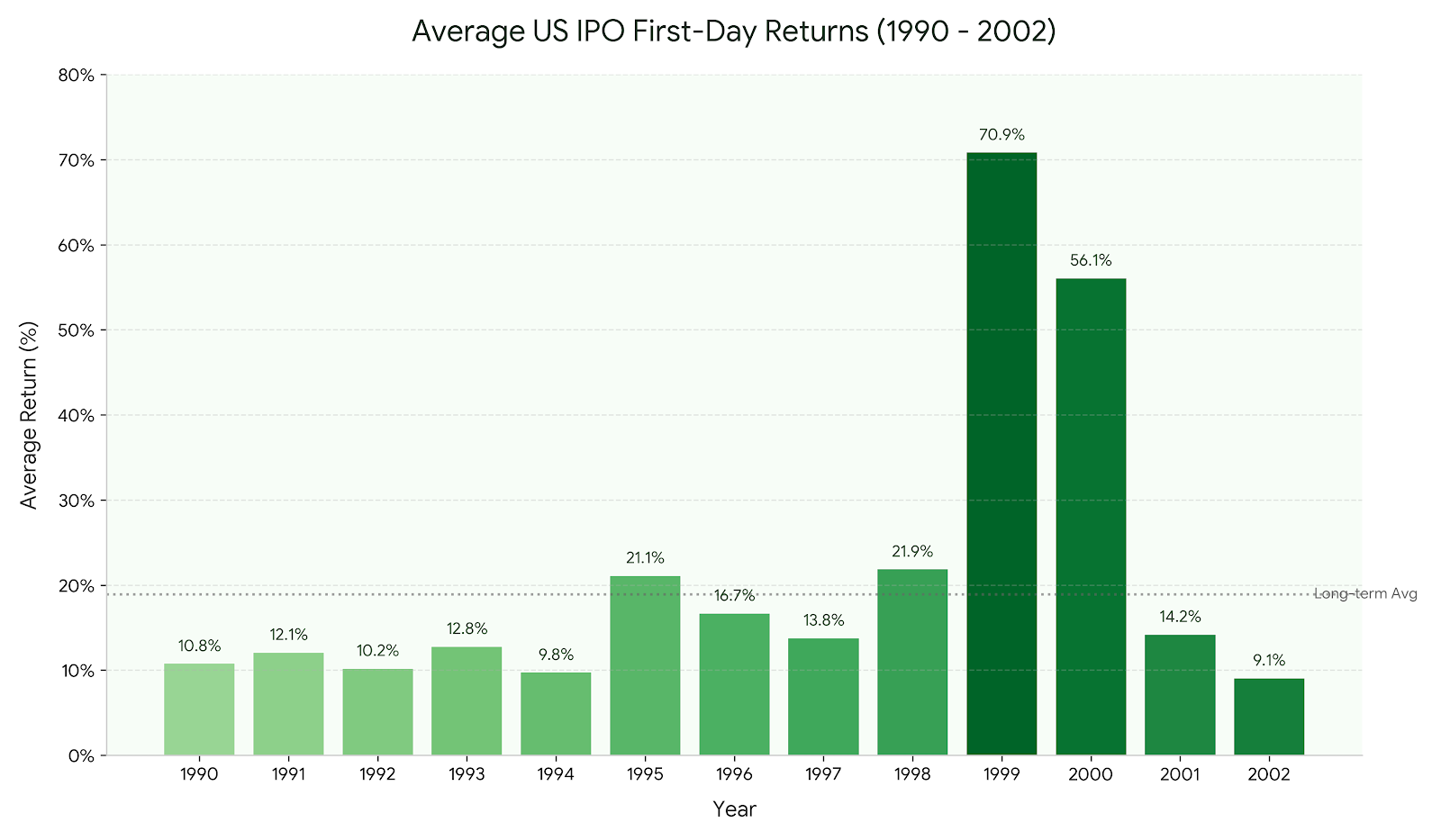
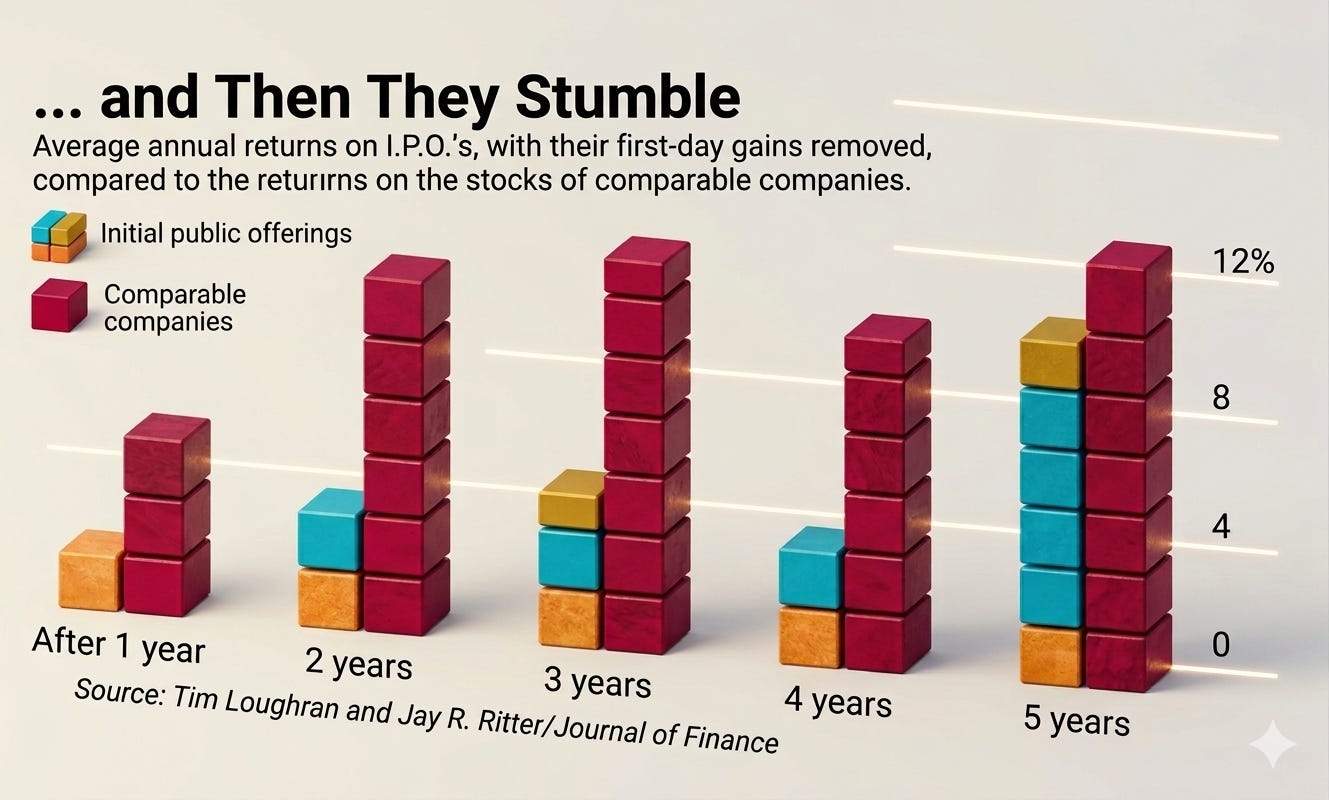
Maybe the companies that had dismal performances after their IPO were just terrible and investors and traders recognized it. Maybe their first day gain took all the potential out of the stock. Or Maybe they just waited too long to list. Regardless what the reasons were, here are some of the most abysmal, disappointing IPOs of the dotcom bubble.
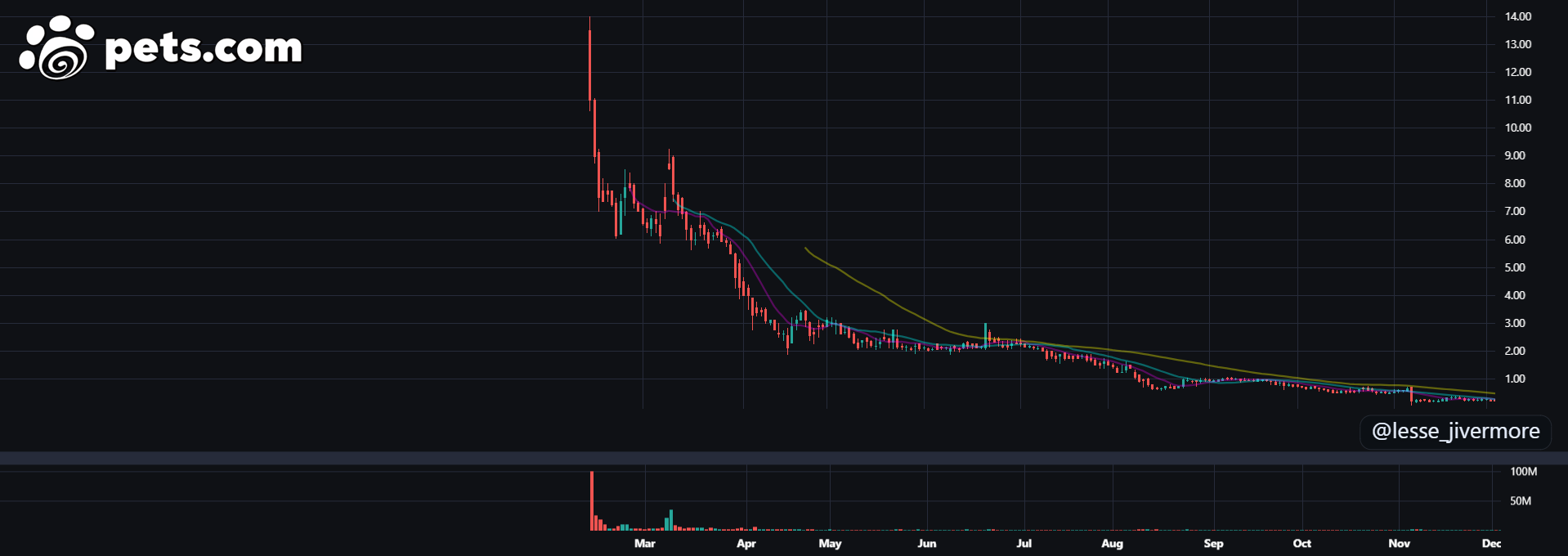
Pets.com was seen as the quintessential insanity stock of the dotcom era. They spent so heavily on marketing and promotions in order to dominate their market—online pet food delivery—that they were losing $10-$12 on every single order they shipped. The company was basically Chewy in the 1990s before ecommerce shipping costs were low enough to make the business model viable. Pets.com spent $11M, including a $1.2M Superbowl commercial, on marketing in 1999 with revenues of just $5.8M.
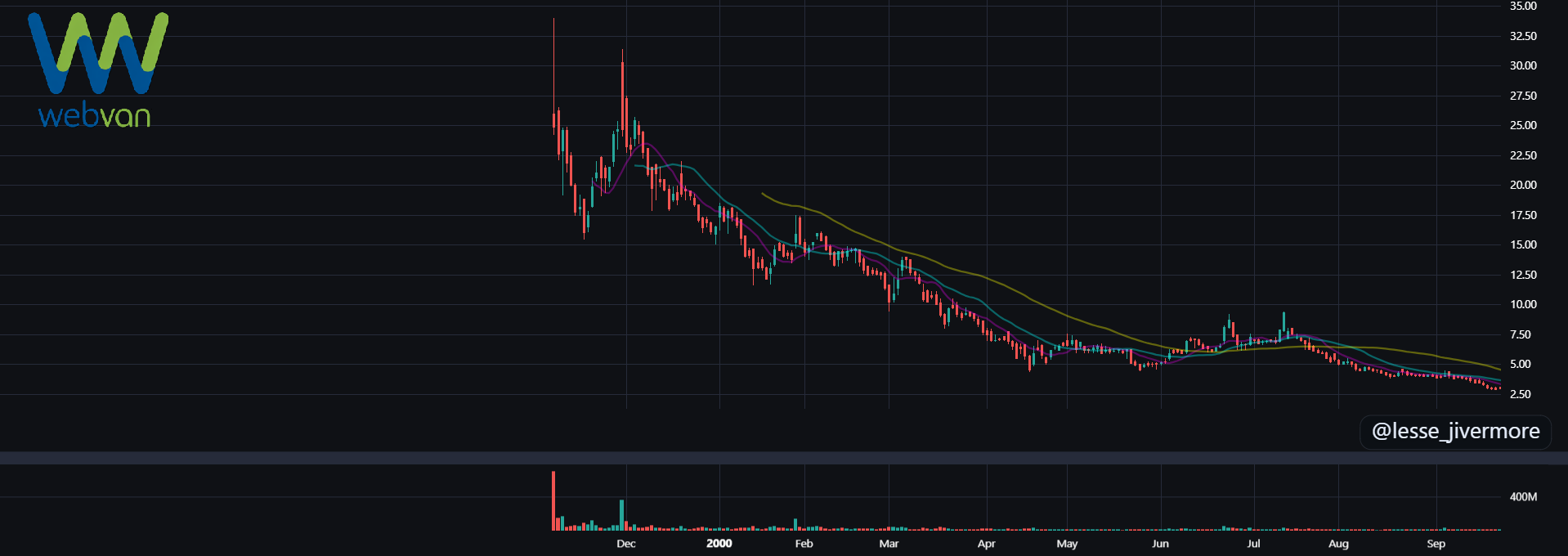
Another failed company that was just too early in the 90s was Webvan (WBVN). WBVN was the 90s equivalent of Instacart. They were an online grocery delivery company. But, again, they were too early. They spent $1B on infrastructure to build out warehouses, robots, delivery vehicles, and expanded too quickly before the model was proven. Demand couldn’t offset the major expenses they incurred. Not to mention all this happened a decade before smartphones existed.
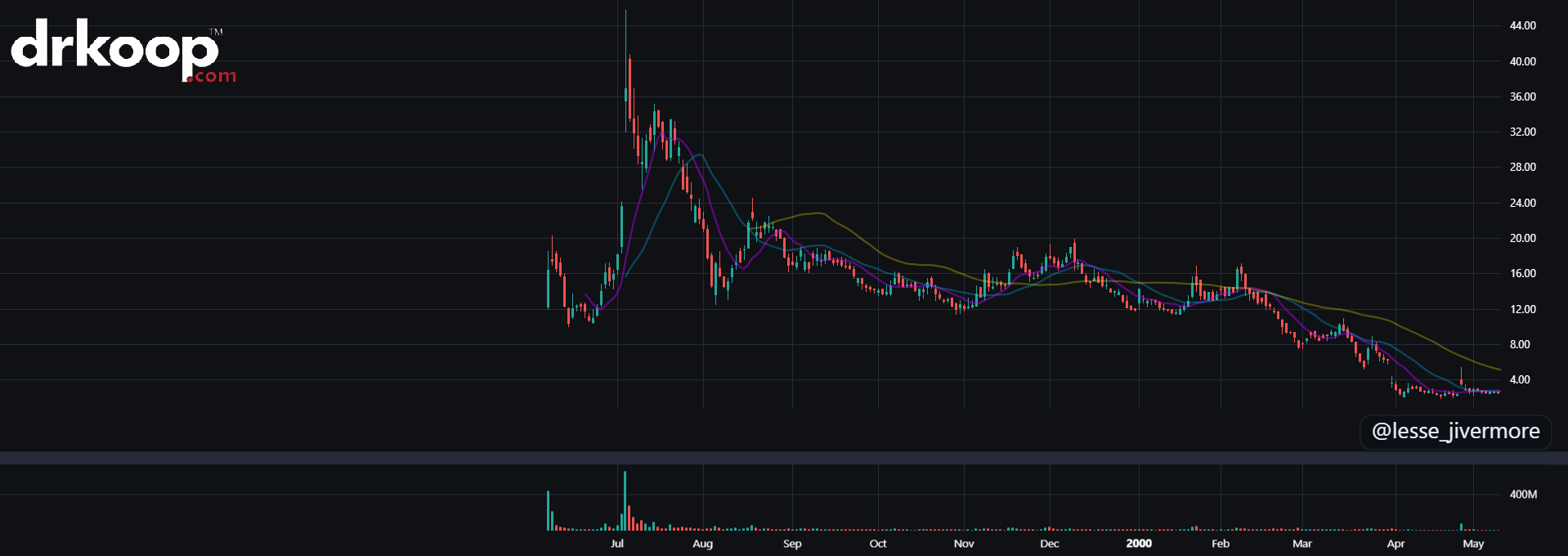
In 1997 the US Surgeon General under President Reagan, C. Everett Koop, became an internet entrepreneur at the age of 80. His business, DrKoop.com, hoped to be the YHOO of medical advice, similar to WebMD. The company made an IPO in 1999 at the height of the bubble. Unfortunately, although the site’s traffic was quite large, their advertising revenue severely disappointed investors and the company filed for bankruptcy in 2001. It brought in just $26M while losing $90M in 2000.
Top IPOs of The 90s
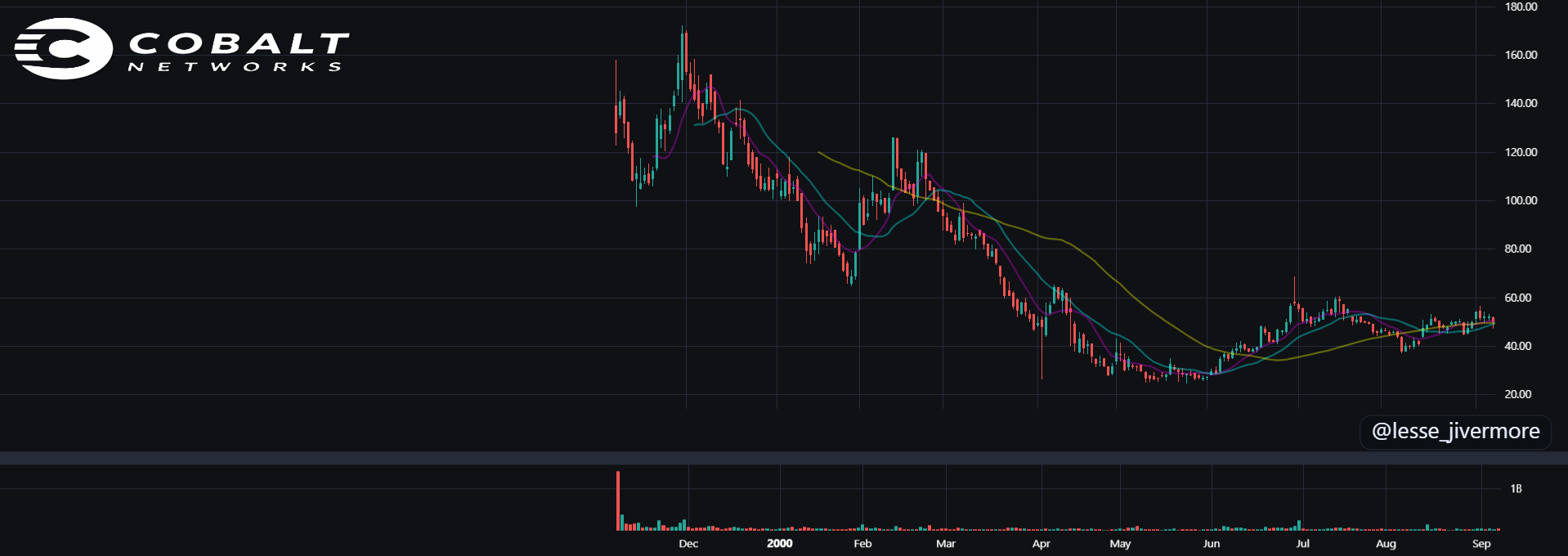
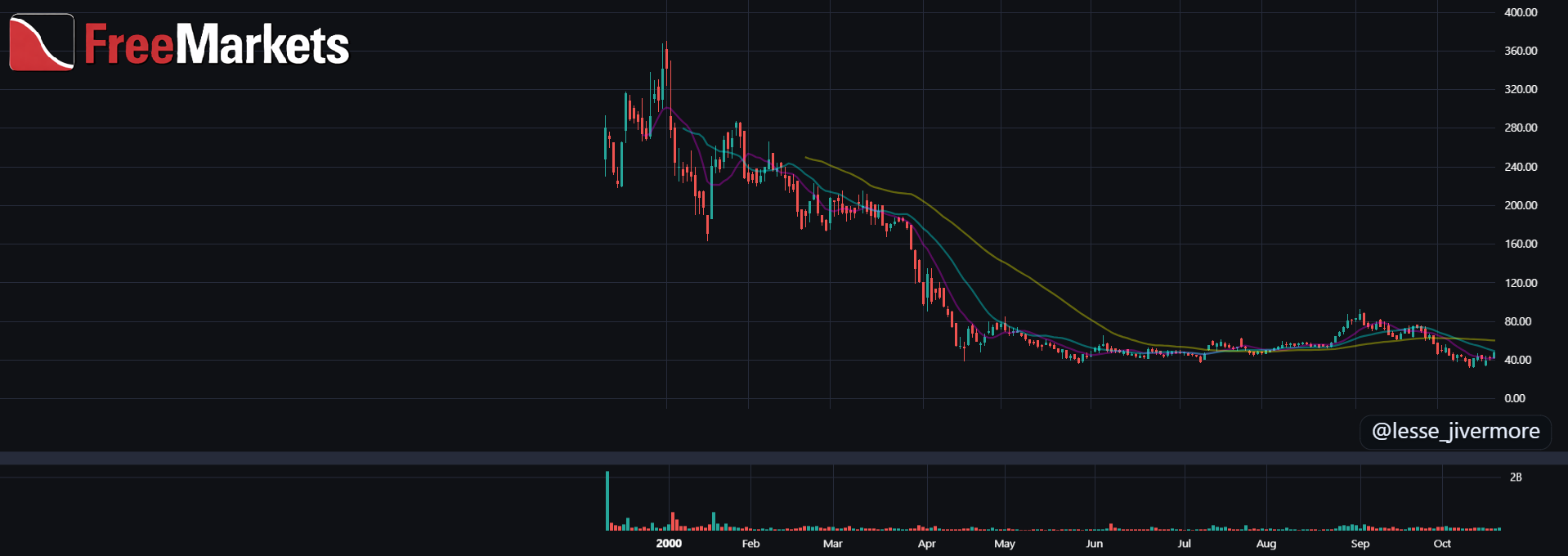
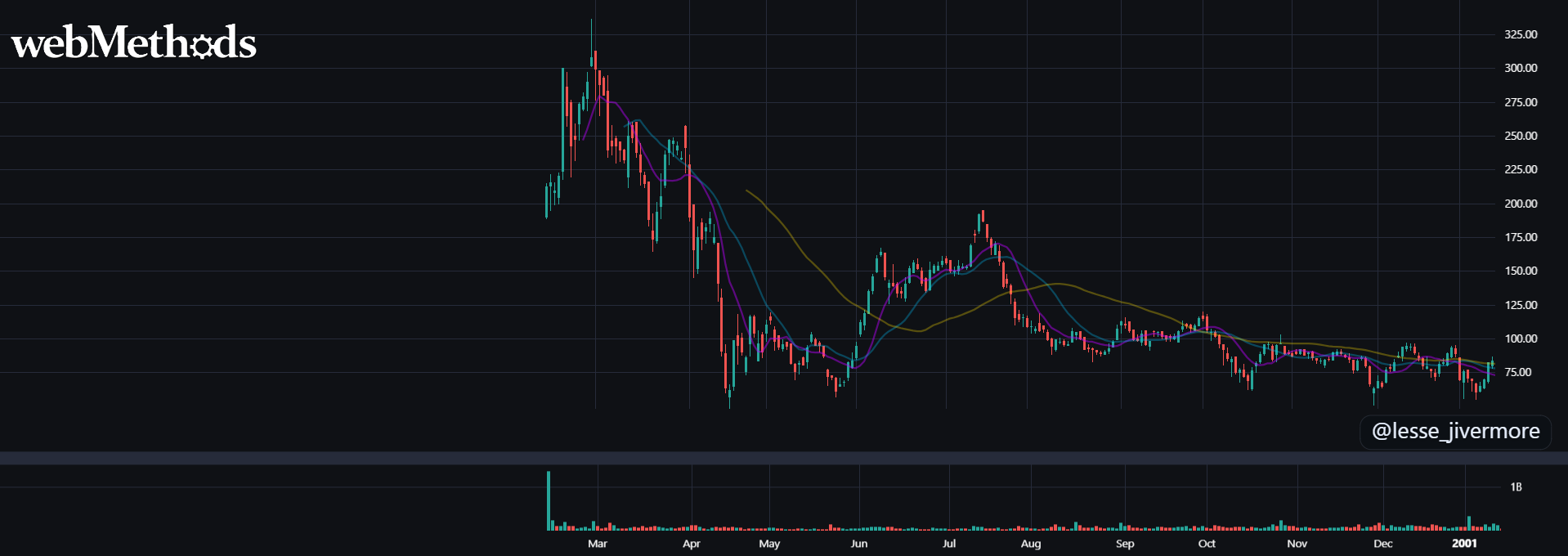
The following is a list of the top first-day gains of stocks listed between 1995-2000.
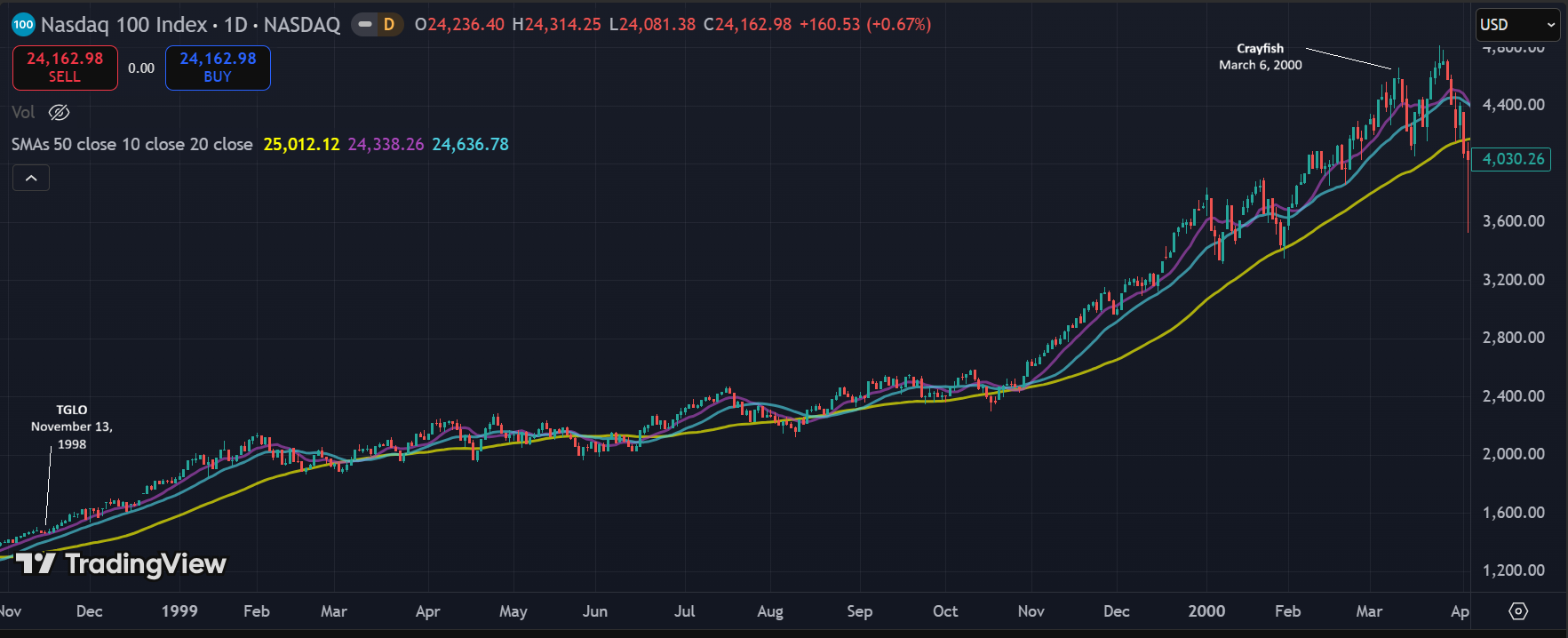
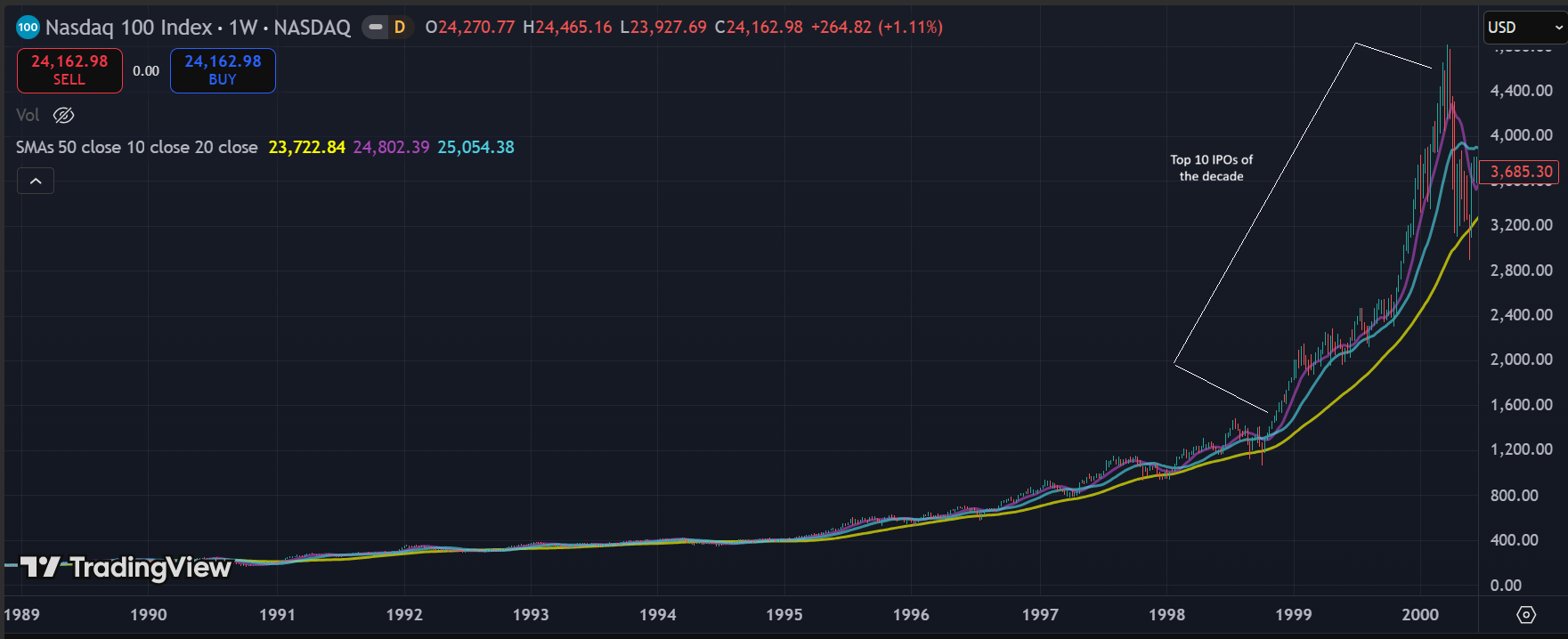
Note that these 10 stocks all cluster between November 1998 and March 2000, the true euphoric bubble period of the dotcom boom. A daily chart of the Nasdaq-100 with this area highlighted will be added at the end of the list.
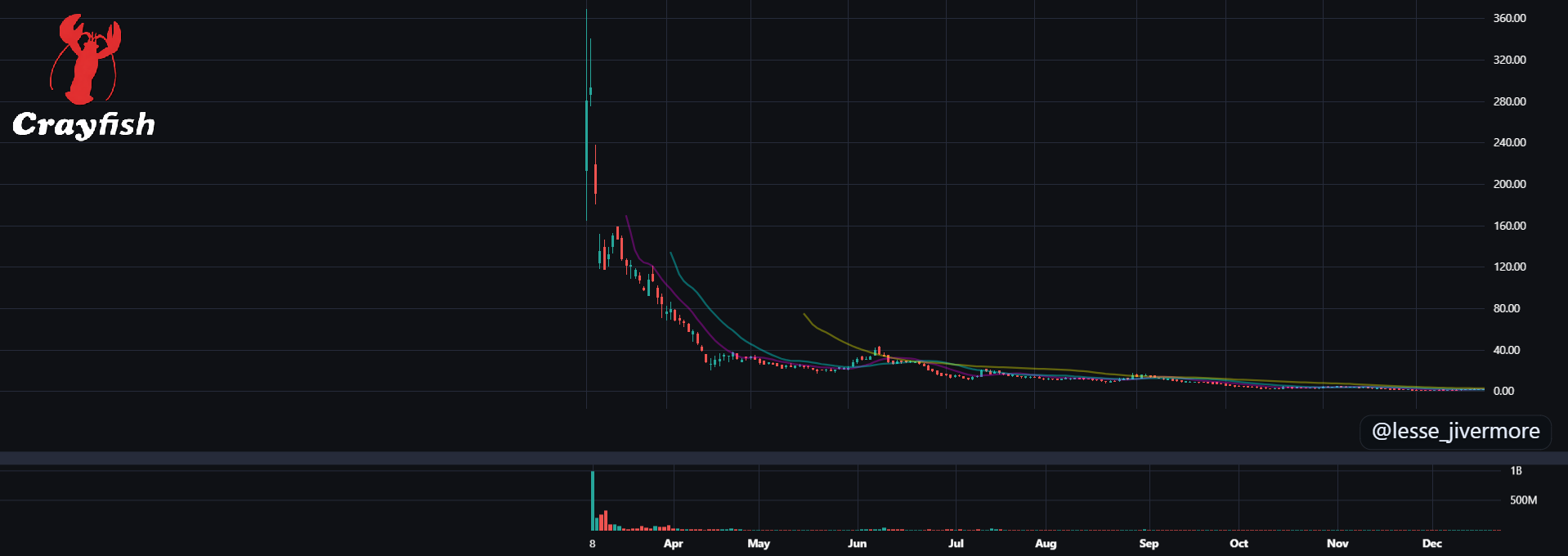
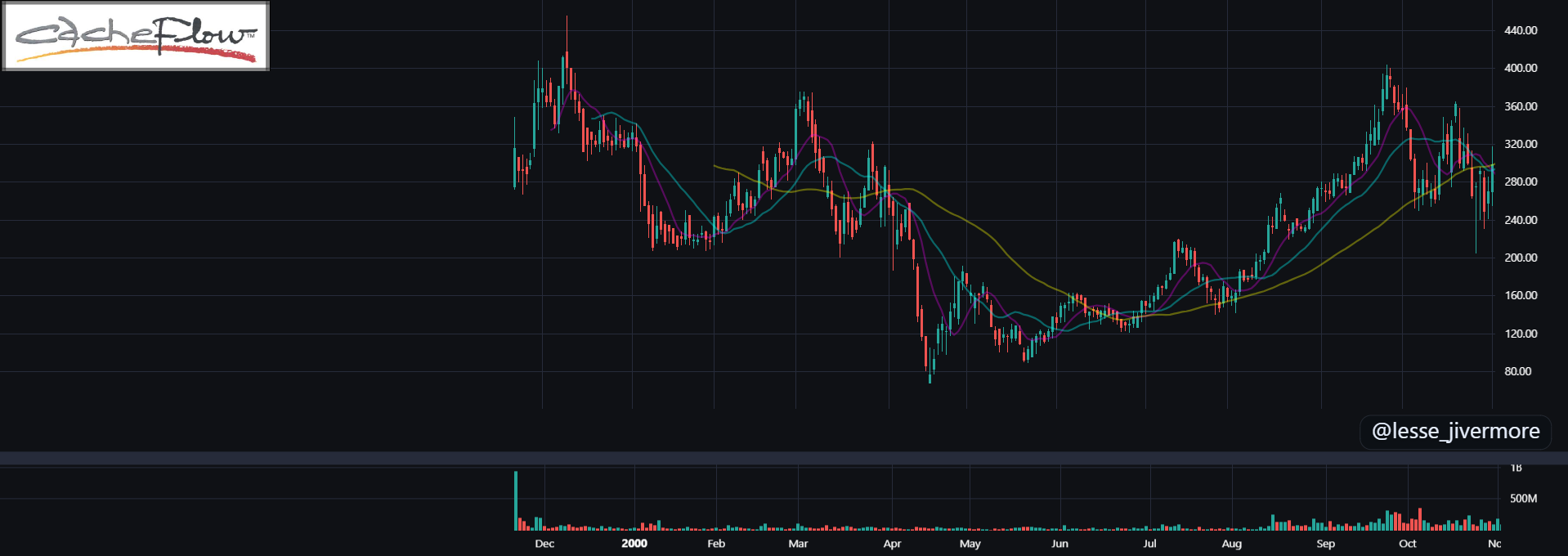
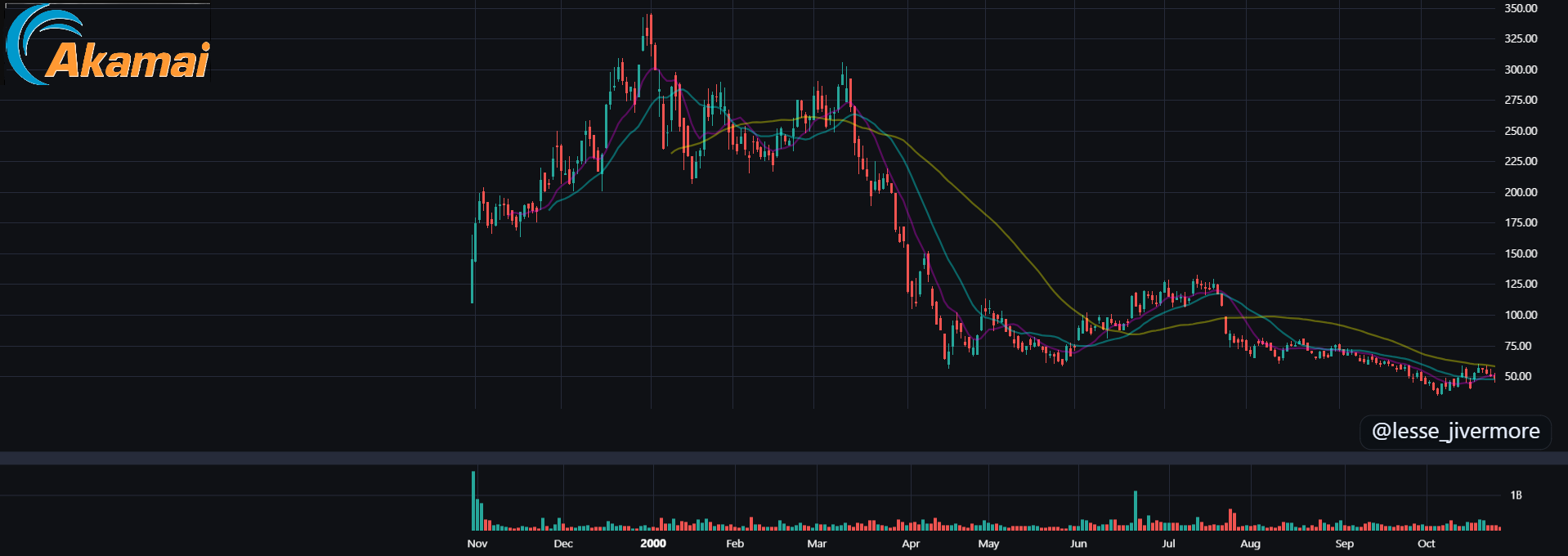
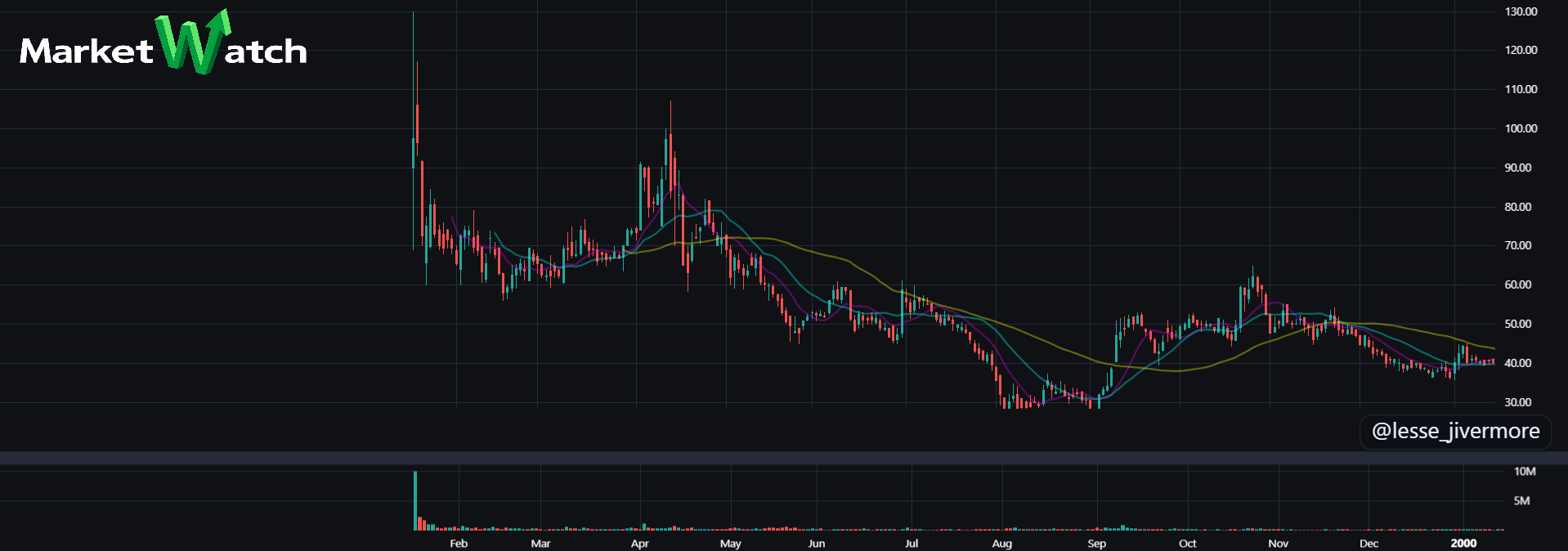
Every great speculative bubble in history has required a steady supply of fresh securities to sustain itself. The tulip mania needed new bulb contracts. The South Sea Bubble needed new share issuances. The Roaring Twenties needed investment trusts and aviation stocks and utility holding companies. And the dotcom bubble needed internet IPOs. It was a seemingly endless conveyor belt of narrative-rich, profit-free companies for the market to project its wildest ambitions onto.
When that conveyor belt slowed in 1997 and 1998, the mania also slowed. When the Fed cut rates and the pipeline reopened, it came back with a fury that made everything before it look tame. The 15-month window between theglobe.com’s 606% debut in November 1998 and Crayfish’s 414% open in March 2000 produced first-day gains that still stand near the top of the all-time leaderboard a quarter century later.
Then the wellspring that produced the never-ending flood of new and innovative internet companies dried up. The wolves on Wall Street had gorged themselves for over five years on a paper buffet of internet offerings. The wolves had devoured all the market could give them, and they turned on what they already owned.
The bubble didn’t pop because the technology was fake. Most of it was real, just early. Pets.com was Chewy before the infrastructure existed. Webvan was DoorDash before the smartphone existed. The market wasn’t wrong about the internet changing the world. It was wrong about the timeline, and it was wrong about which companies would survive long enough to matter.
In the market, you can be right about the technology and still lose everything. The winners and the disasters looked identical in the prospectus. The only difference was timing, execution, and a little luck.
Part 2 of this series moves outside the market entirely. We go into the living rooms, television studios, and cocktail party conversations where the mania took on a life of its own. Because by 1999, the bubble wasn't just on Wall Street anymore. It was everywhere.
great great work/study man
keep it up.